The short answer
- A dry aging fridge (a dry aging cabinet) ages meat open on racks; the surface dries into a crust you trim off.
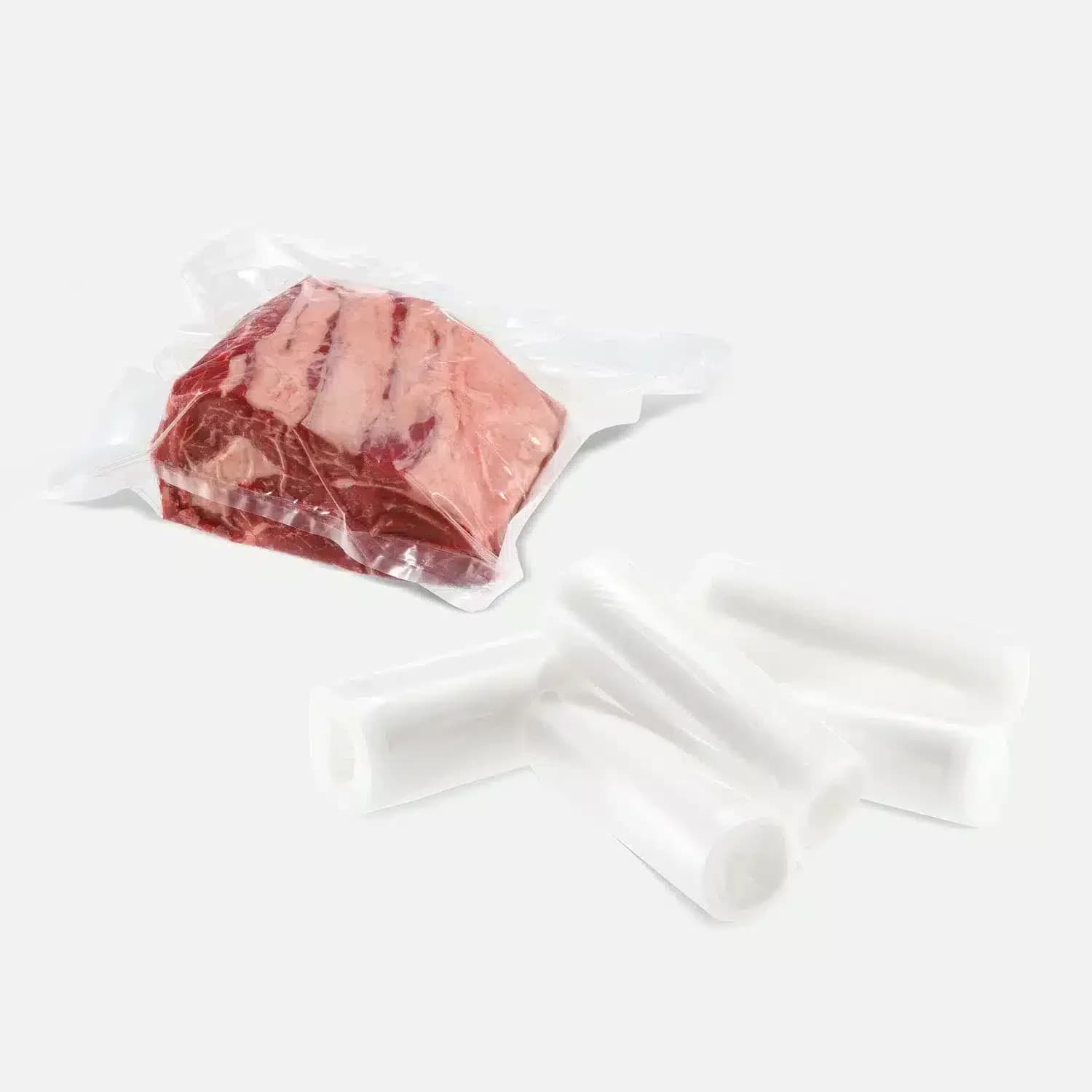
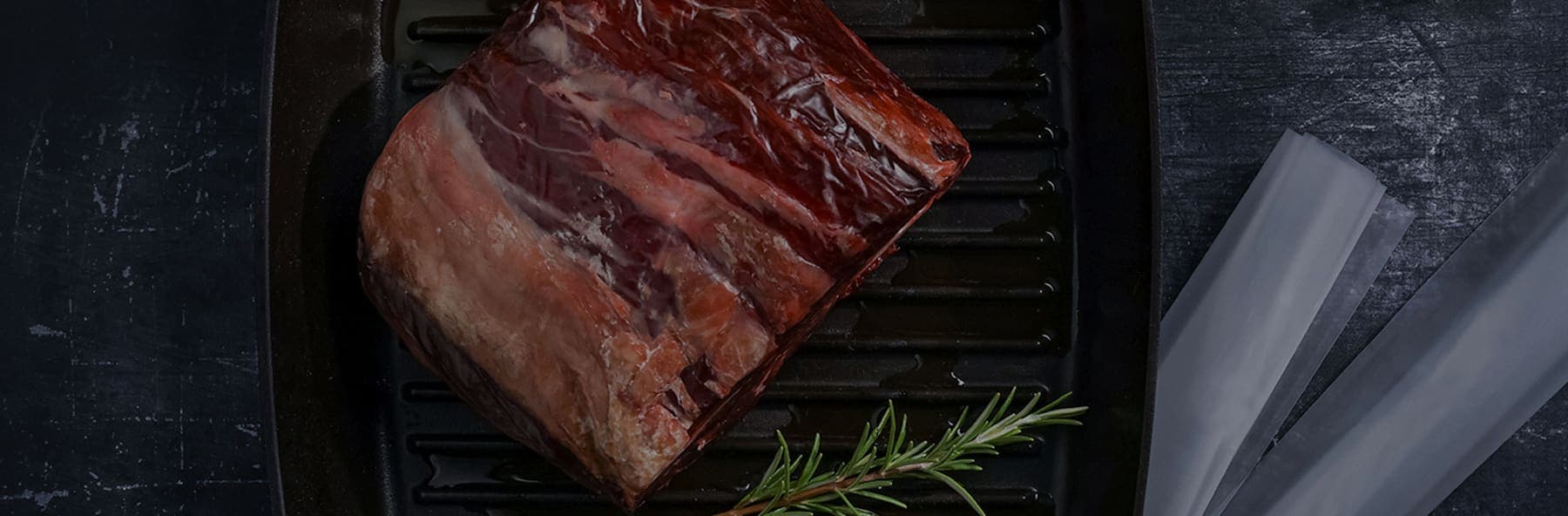
- A dry aging bag is a membrane: moisture escapes, bacteria from outside stay out, so the beef ages in an ordinary fridge at 1–3 °C.
- Both give tender beef with the concentrated, nutty dry-aged flavour; a normal vacuum bag only wet-ages it.
- For smaller batches you don't need a special fridge: A-Vac bags, a vacuum sealer with an adjustable sealing time, and 3–4 weeks.
What dry aging needs
Dry aging needs two things: the meat's own enzymes, which tenderise it over weeks, and moisture leaving the surface, which concentrates the flavour. Leave beef open in an ordinary fridge and you also invite mould and smells. There are two ways around that: a dedicated dry aging fridge, or a membrane bag in the fridge you already have.
Dry aging fridge, dry aging bag, vacuum bag
| Item | Dry aging fridge | Dry aging bag | Normal vacuum bag |
|---|---|---|---|
| Packed in | Nothing, open on racks | A-Vac membrane bag | A sealed vacuum bag |
| Moisture | Dries off the surface | Escapes through the film | Stays in |
| Where | A special cabinet | An ordinary fridge at 1–3 °C | Any fridge |
| Result | Dry-aged flavour, with a dry crust to trim | Tender, concentrated dry-aged flavour | Tender and mild: wet aging |
From the A-Vac product data. How the membrane works: How dry-aging bags work
Which one suits you
A dry aging fridge
A steak aging refrigerator is a cabinet of its own: the meat hangs or lies open on racks, and the whole surface dries. It makes sense when you age meat all the time and have the room for a second appliance.
Dry aging bags
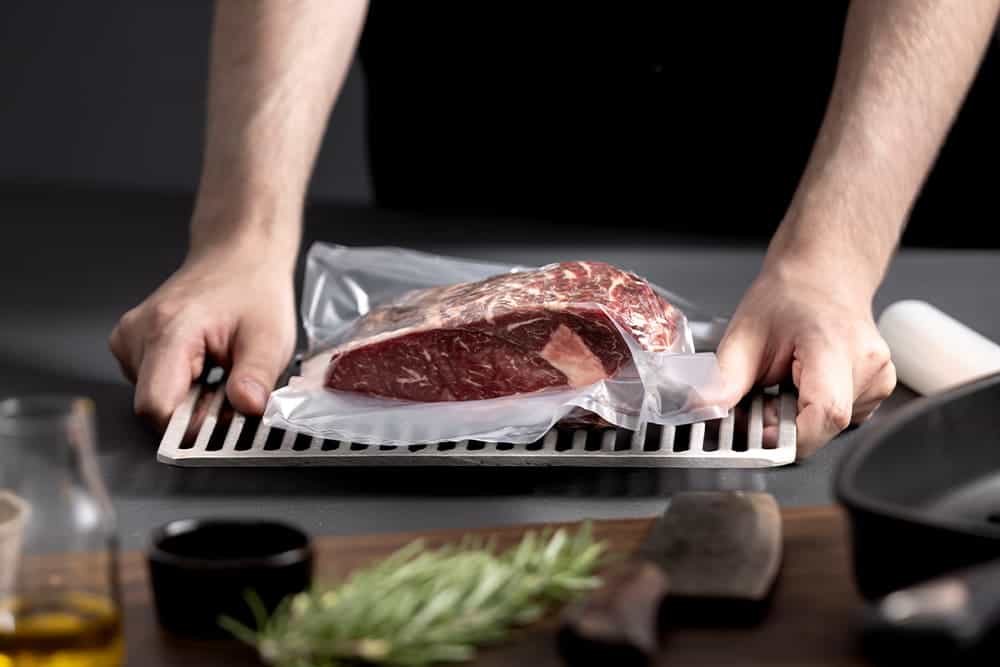
The bag does the job of the cabinet around each piece: moisture out, bacteria kept away. All you need is a fridge that holds 1–3 °C, a wire rack with air all round, and a vacuum sealer with an adjustable sealing time. You age one cut or several, when you want to, and the fridge stays a fridge.
Helps: A-Vac dry aging bags
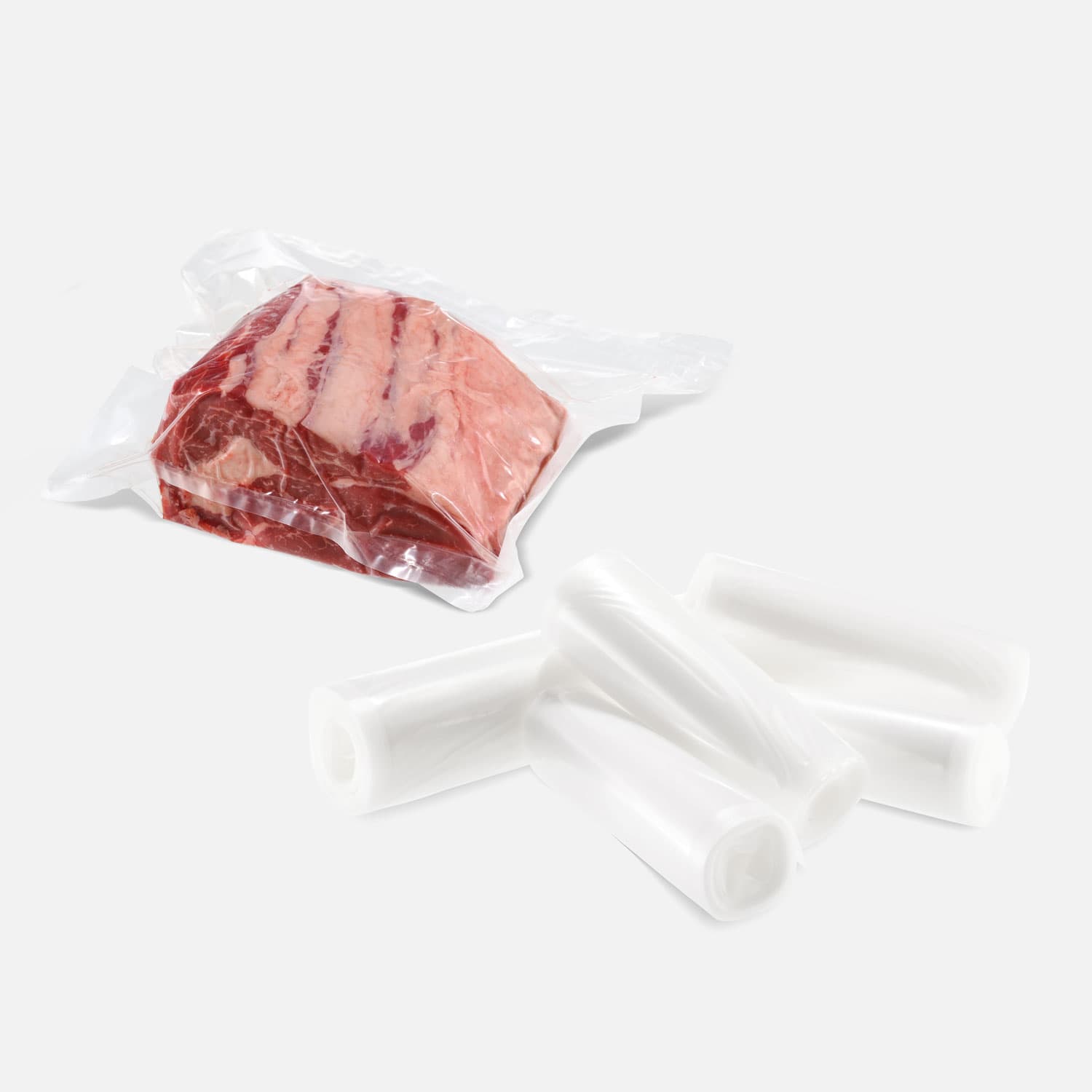
Dry aging in a bag: what it takes
- A whole cut 2–8kg with a fat cap: scotch fillet, sirloin, striploin, rump or a bone-in rib. Single steaks lose too much in trimming.
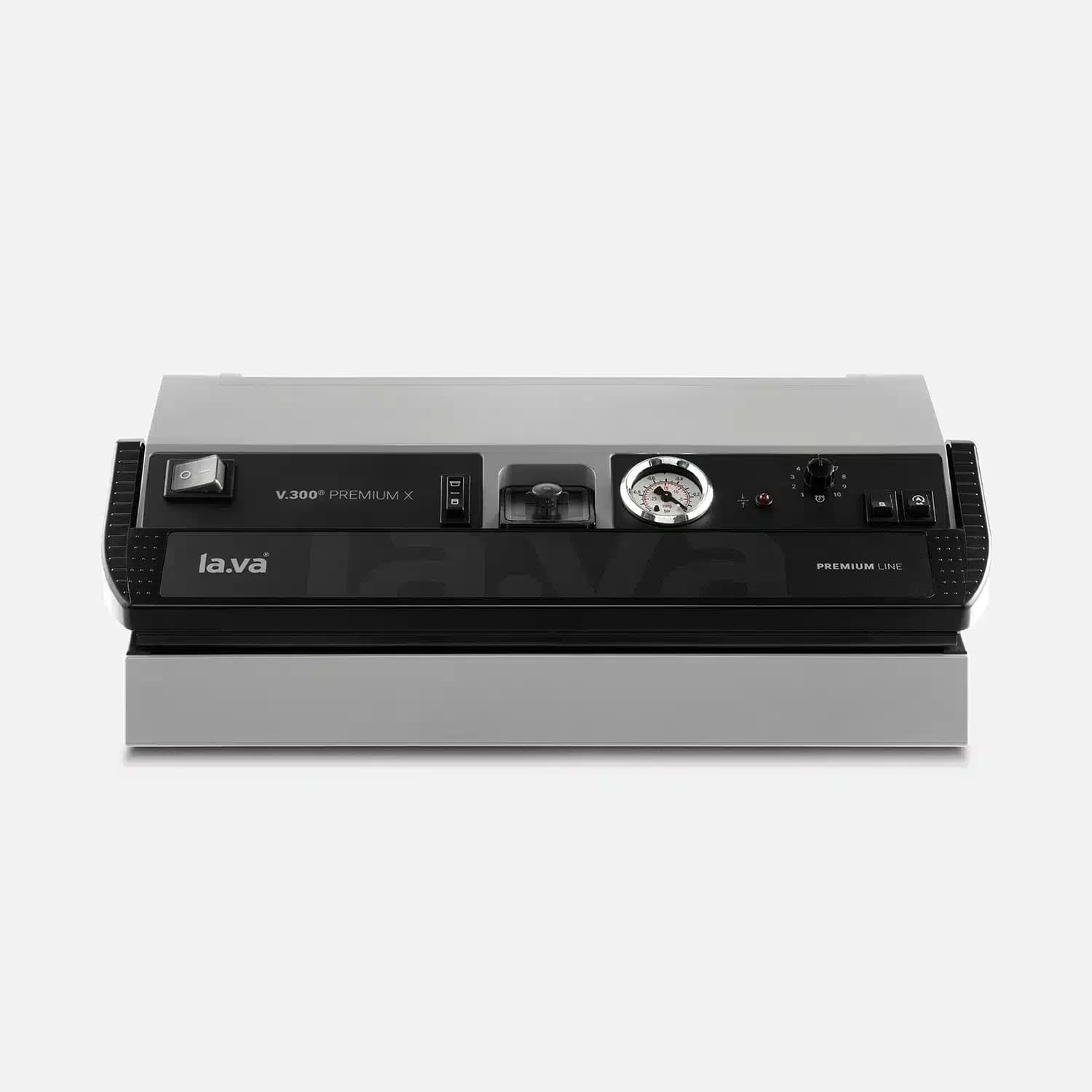
- The right sealer The membrane is thin: a sealing time around level 1–2 on a LAVA sealer, and the Vac-Aid strips that come with every A-Vac pack.
- 1–3 °C and airflow On a wire rack, not touching the walls or other food.
- Time Beef at least 3–4 weeks, lamb 2–3. Step by step
- The right size Test Set, roll or 40×70cm bag for whole primals: Which dry aging bag do you need?
LAVA AustraliaOfficial LAVA distributor and vacuum-packaging specialists since 2018.