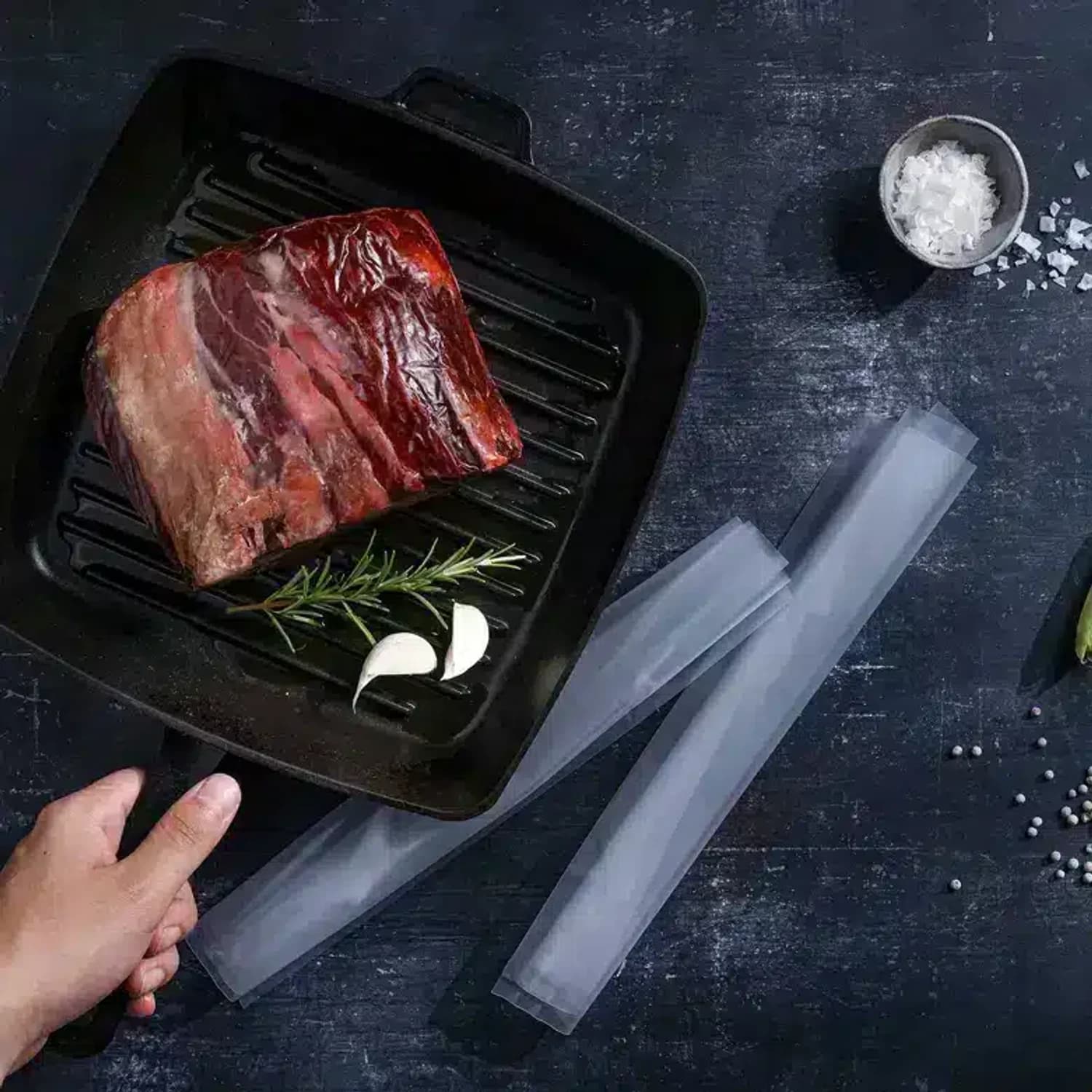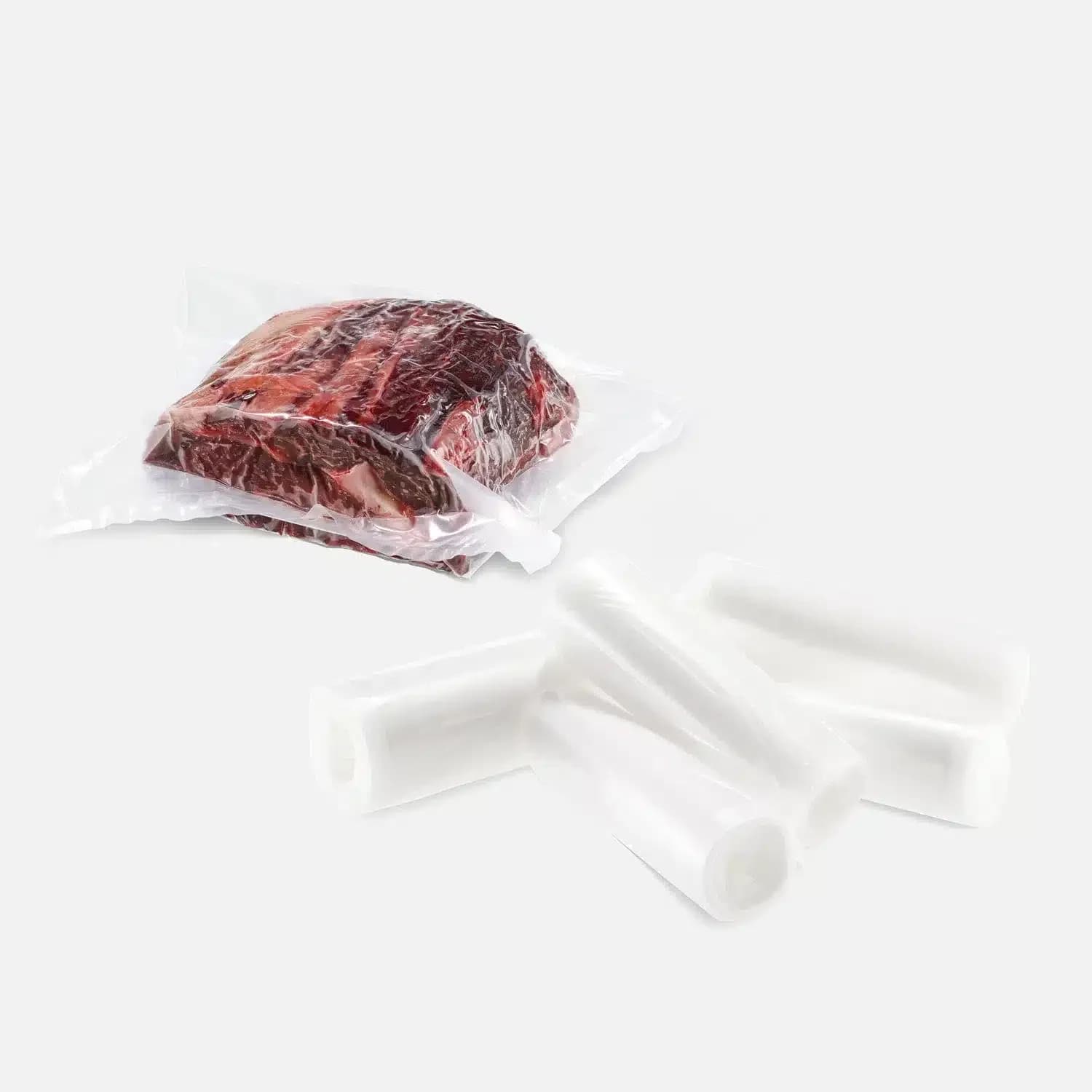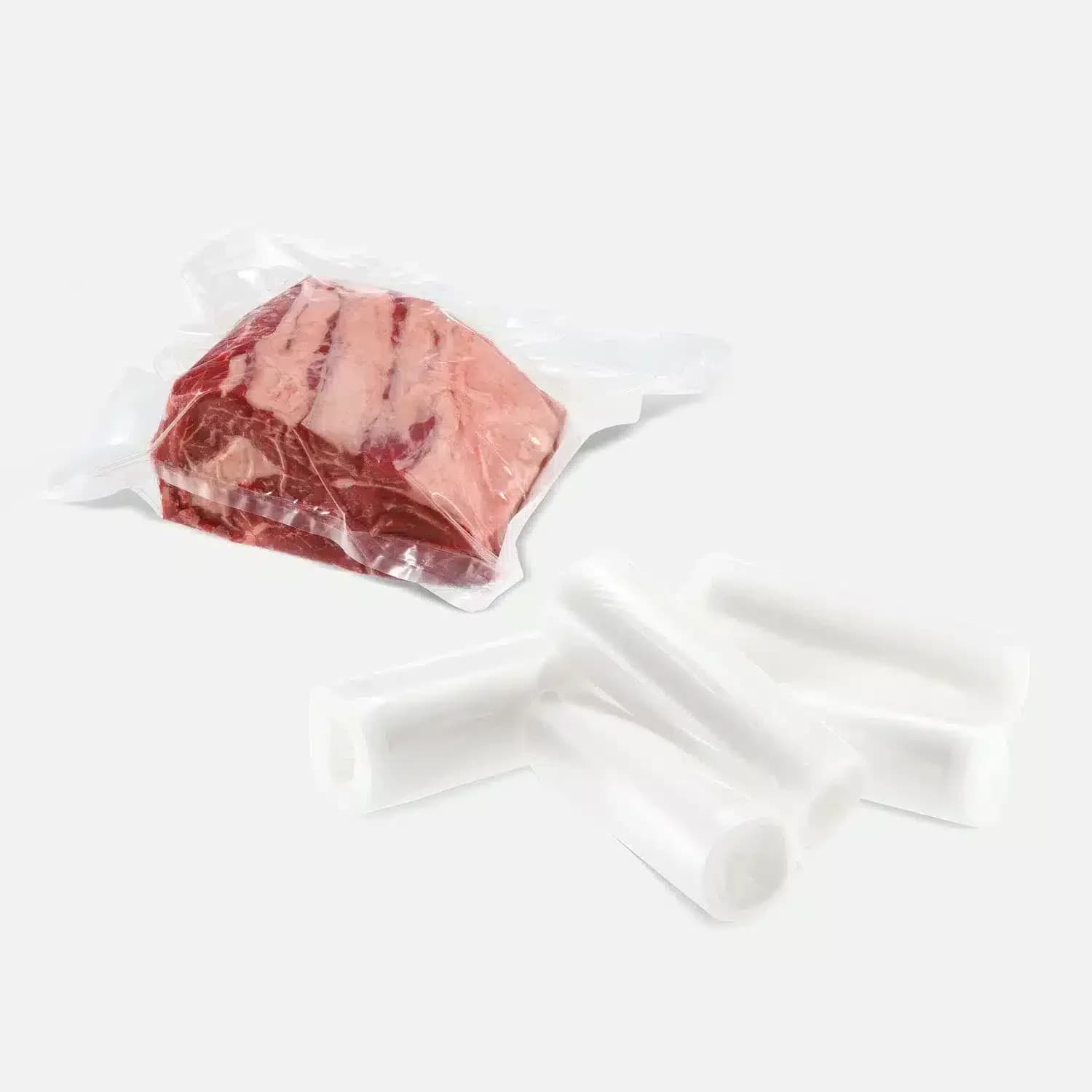
A-Vac Dry Aging Test Set
2×20×30cm · 2×25×55cm
Four bags in both common sizes. Age two cuts side by side and find your size.
$35.90RRP $39.90Launch offer −10%
In stock
From $30.52 each with 10+ packs

A-Vac membrane · Made in Germany
Dry age beef in your normal fridge, no cabinet needed.
Three formats in stock in Australia. More sizes on request, below.
Check your vacuum sealer before you buy
The membrane is thin and smooth, so it needs an external sealer with adjustable sealing time. All LAVA sealers work at level 1–2. On other machines, results depend on the sealer. Always make a few test seals first.
2×20×30cm · 2×25×55cm
Four bags in both common sizes. Age two cuts side by side and find your size.
In stock
From $30.52 each with 10+ packs
30cm wide · 3m long · approx. 5–10 bags
Make each bag exactly as long as the cut. Ideal for brisket, ribeye rolls and odd shapes.
In stock
From $33.92 each with 10+ packs
40×70cm · for 8–11kg
For whole striploins, bone-in short loins, hams and large sausages.
Out of stock
Sold out · for big cuts now, use the roll or call us
Any size, any bag or roll: every pack in your cart counts.
Size finder
Pick the weight of the piece you want to age. The bag should fit snugly: loose film leaves dead spots where moisture can't escape.
Comes in the Test Set, together with the 25×55cm. The best way to start.
Shop the Test SetAll six A-Vac sizes
| Size | Suits | In Australia |
|---|---|---|
| 20×30cm | 1–2kg · single ribeye, small rump | In the Test Set |
| 25×40cm | 1.5–4kg · rump cap, lamb leg | On request |
| 25×55cm | 2–5kg · striploin section, bone-in rib | In the Test Set |
| 30×60cm | 5–8kg · whole scotch fillet, large rump | On request |
| 40×70cm | 8–11kg · whole striploin, ham | Stocked · currently sold out |
| 30cm × 3m roll | Any length up to 30cm wide | Stocked |
Need a size we don't stock?
We order 25×40, 25×55 and 30×60cm bags from Germany for you. Custom sizes and bulk pricing from 50 units.
How membrane dry aging works
The A-Vac film is a permeable membrane: the meat's moisture evaporates through the bag into the fridge, while the film shields the meat from cross-contamination with other food. Sealed tight against the meat, it works like a second skin while natural enzymes tenderise the muscle and the flavour concentrates.
Step by step
Every pack includes a printed guide. Here's the short version. Not sure which bag to buy? Read Test Set, roll or large bag?
Read the full step-by-step guideCompared
A normal vacuum bag wet-ages: moisture stays in, so you never get the crust or the concentrated flavour. A dry aging cabinet is the professional choice for restaurants and butchers who age every week. The membrane bag gets you the same result at home, with the fridge you already own.
| Method | A-Vac dry aging bag | Standard vacuum bag | Dry aging cabinet |
|---|---|---|---|
| Moisture | Escapes through the membrane | Trapped in the bag | Escapes into the cabinet |
| Result | Dry-aged flavour and crust | Wet-aged, tender but milder | Dry-aged flavour and crust |
| Equipment | Your fridge and a sealer with adjustable seal time | Any vacuum sealer | Dedicated appliance with humidity and airflow control |
| Trim loss | Thin crust, membrane protects the surface | None | Thicker bark on exposed surfaces |
| Odour in the fridge | Contained in the bag | Contained in the bag | Separate appliance |
| Getting started | Test Set from $35.90 | Not suitable for dry aging | A significant upfront purchase |
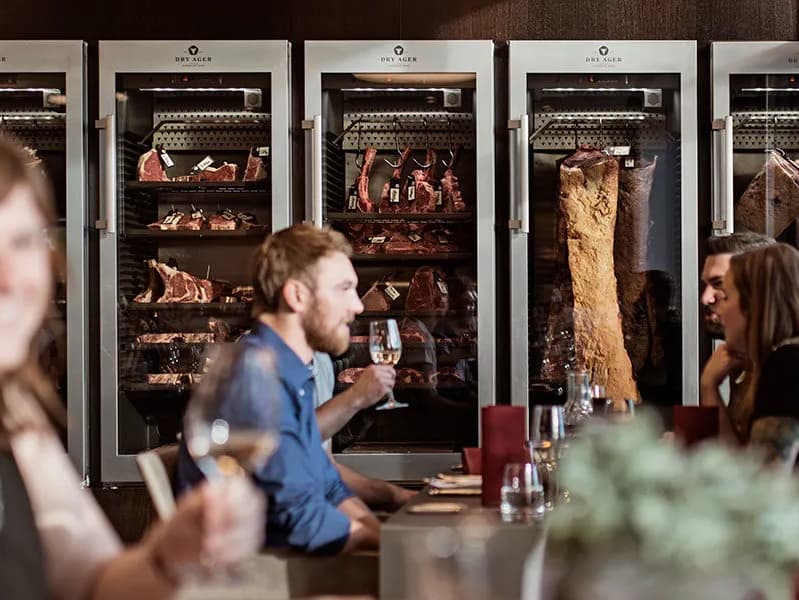
From the makers of DRY AGER
LAVA belongs to Landig in southern Germany. The name says it: LA for Landig, VA for Vakuumierer, vacuum sealer. Landig also builds the DRY AGER cabinets you see in the windows of steakhouses and butcher shops worldwide.
A-Vac bags bring that dry aging know-how to your home fridge: no cabinet, no space, a whole cut at a time.
LAVA Australia doesn't sell DRY AGER cabinets. For a cabinet, visit dry-ager.com.
Before you buy
The A-Vac film is thin and smooth, so it needs less heat and an air channel to evacuate. Most failed seals come from machines with a fixed, hot seal time.
Dry aging bags, also called dry age bags, are vacuum bags made from a breathable membrane. The meat's moisture evaporates through the film into the fridge, while the bag protects the meat from cross-contamination with other food. Vacuum sealed tight to the meat, the bag lets the surface dry and form a crust while natural enzymes tenderise the muscle, the same result as traditional dry aging, without an aging room or cabinet.
Yes. Keep the fridge at a steady 1–3 °C, put the bag on a rack so air can circulate, and don't stack anything on it or let it touch the walls. No humidity control, UV light or fan is needed.
At least 21 days for beef, and around 28 days for a deeper, nutty flavour. You can go longer, but the change after four weeks is gradual. Lamb is ready after 2–3 weeks.
Whole, well-marbled cuts of 2–8kg with a fat cap: scotch fillet, sirloin, striploin, rump or a bone-in rib. Start with fresh meat that hasn't already been wet-aged. Single steaks are too small: the trimmed crust would take most of the meat.
You need an external vacuum sealer with adjustable sealing time. All LAVA sealers work at sealing level 1–2. Machines with a fixed, hot seal time tend to burn through the thin membrane. Make a few test seals first to find the right heat setting, and use the included Vac-Aid strip so the pump can draw air from the smooth bag.
Expect the cut to lose up to about 20% of its weight as moisture escapes, plus the thin crust you trim off. That loss is where the concentrated flavour comes from. Larger cuts lose proportionally less.
Yes. The 25×40, 25×55 and 30×60cm bags are available on request from our German manufacturer. Call 1300 77 88 29 or request a call back. Custom sizes and bulk pricing are available from 50 units.
Yes. Dry aging bags, the roll and the Test Set count like any other LAVA bag or roll: 5% off from 2 packs, 10% from 6 and 15% from 10, mixed across all sizes.
Use them within 6–12 months of purchase. Store them flat, dry and out of direct sunlight.