The short answer
- Quality is decided on the water: bleed the fish and get it on ice straight away.
- At home: clean, pat completely dry, portion, and freeze wet fillets for an hour before sealing.
- Pad spines and fins so they don't pierce the bag, and freeze the packs flat.
- Thaw in the fridge with the bag cut open, not sealed.
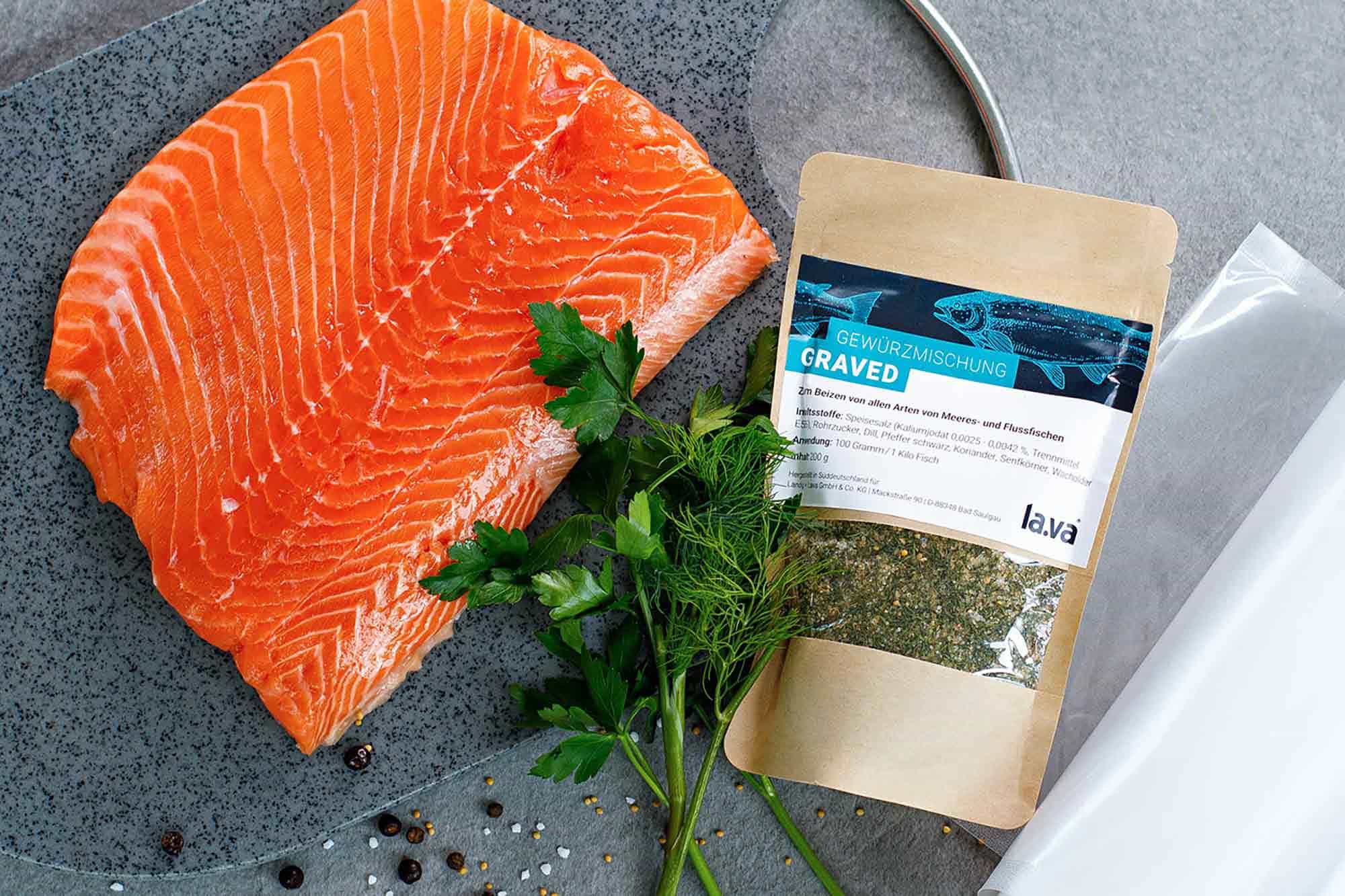
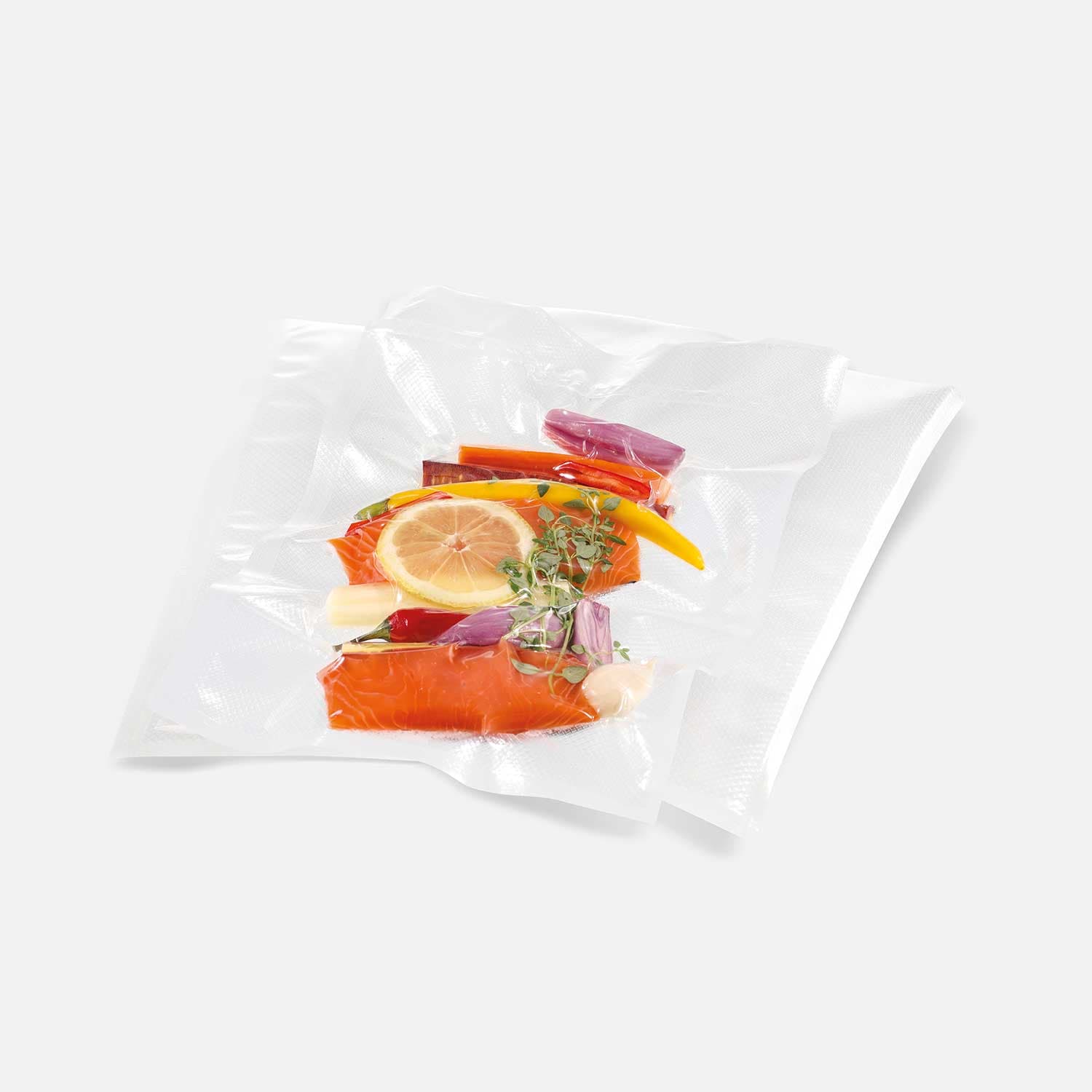
Fig. 15 · Catch to freezer
Seven steps
The order that keeps fish at its best.
On the water
1 · Bleed
A quick cut through the gills lets the blood drain while the heart still beats. Bled fish have whiter, milder flesh and keep better.
2 · On ice, out of the sun
Straight into an esky with ice, or better an ice slurry with a little seawater, which chills faster because it touches the whole fish. Keep the esky shaded and drained.
At the cleaning table
3 · Clean
Gut and scale or fillet the fish, take out the bloodline along the spine, and rinse off any blood and slime.
4 · Dry, really dry
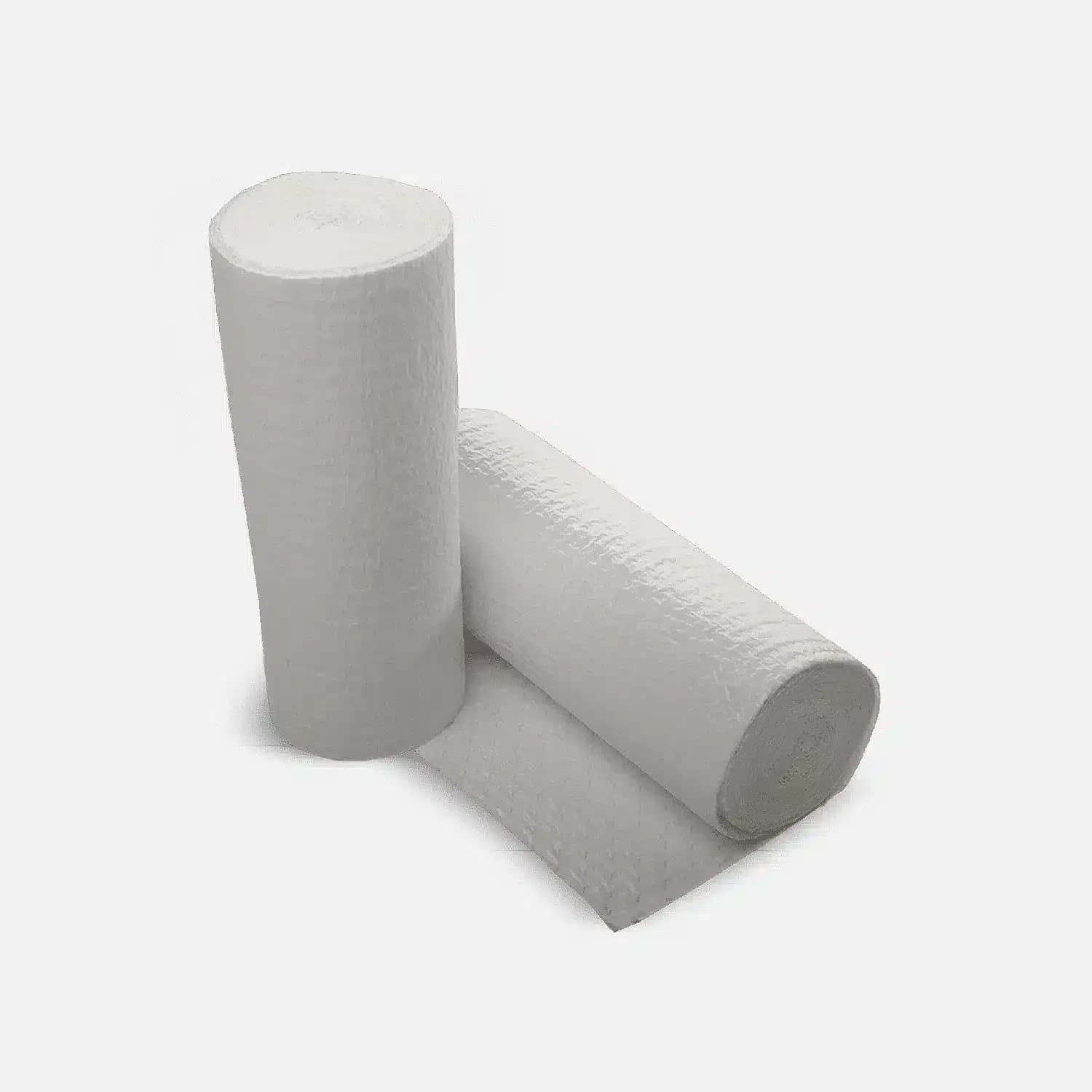
Pat every piece with paper towel. Water in the bag ends up in the seal area and gets drawn towards the pump; dry fish seals cleanly.
5 · Portion
One bag per meal: thawed fish shouldn't go back into the freezer. Small fish can be sealed whole; larger ones as fillets or steaks.
At the sealer
6 · Seal
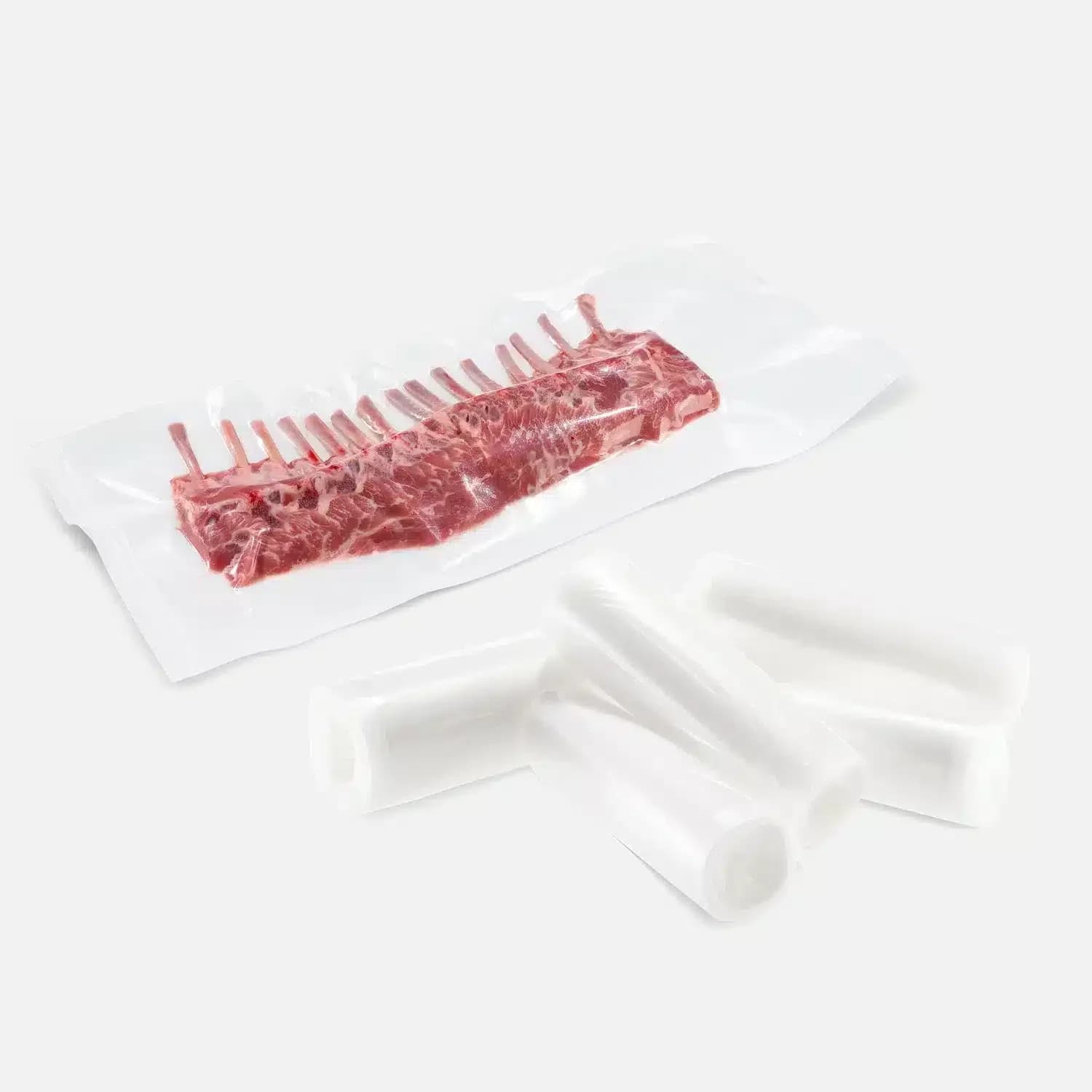
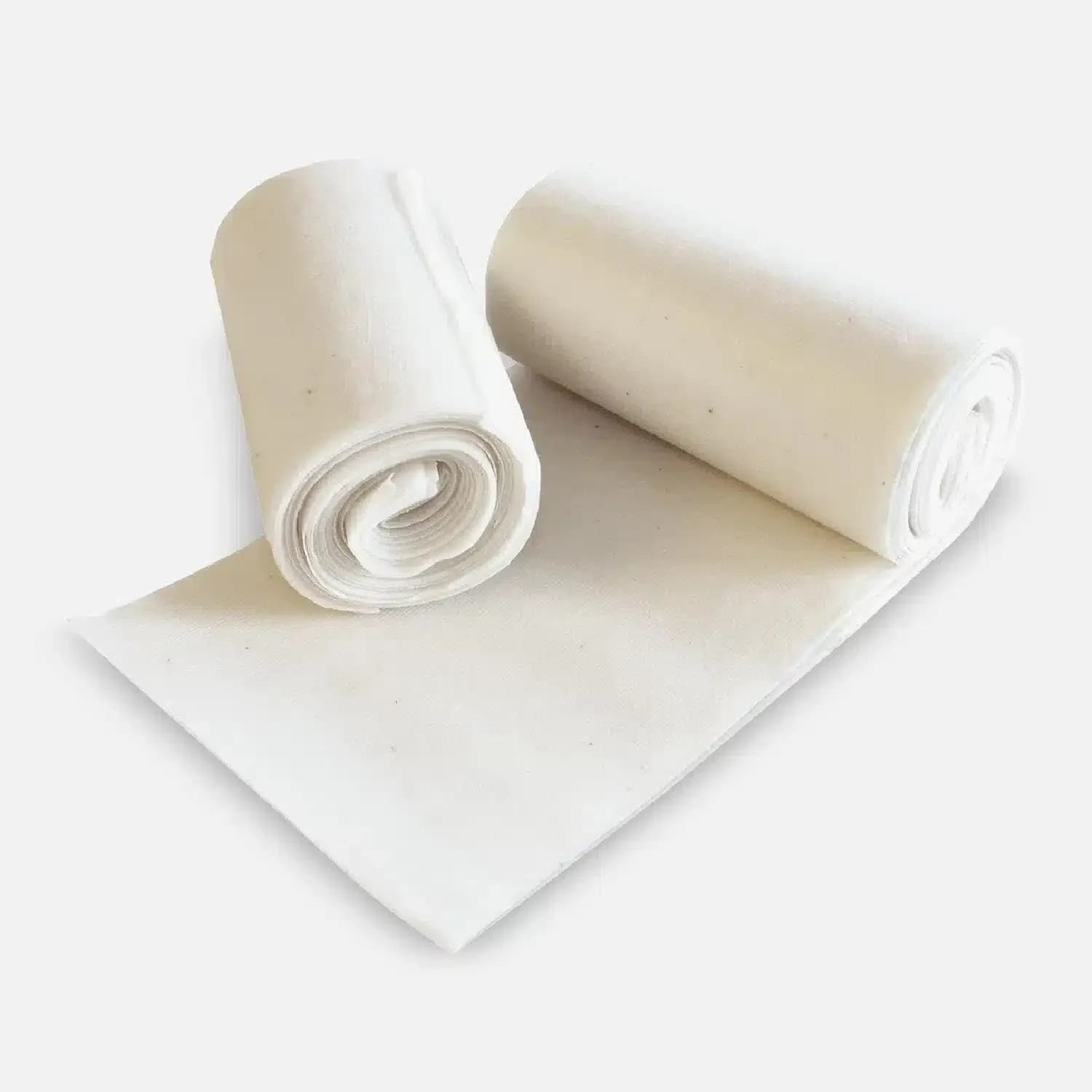
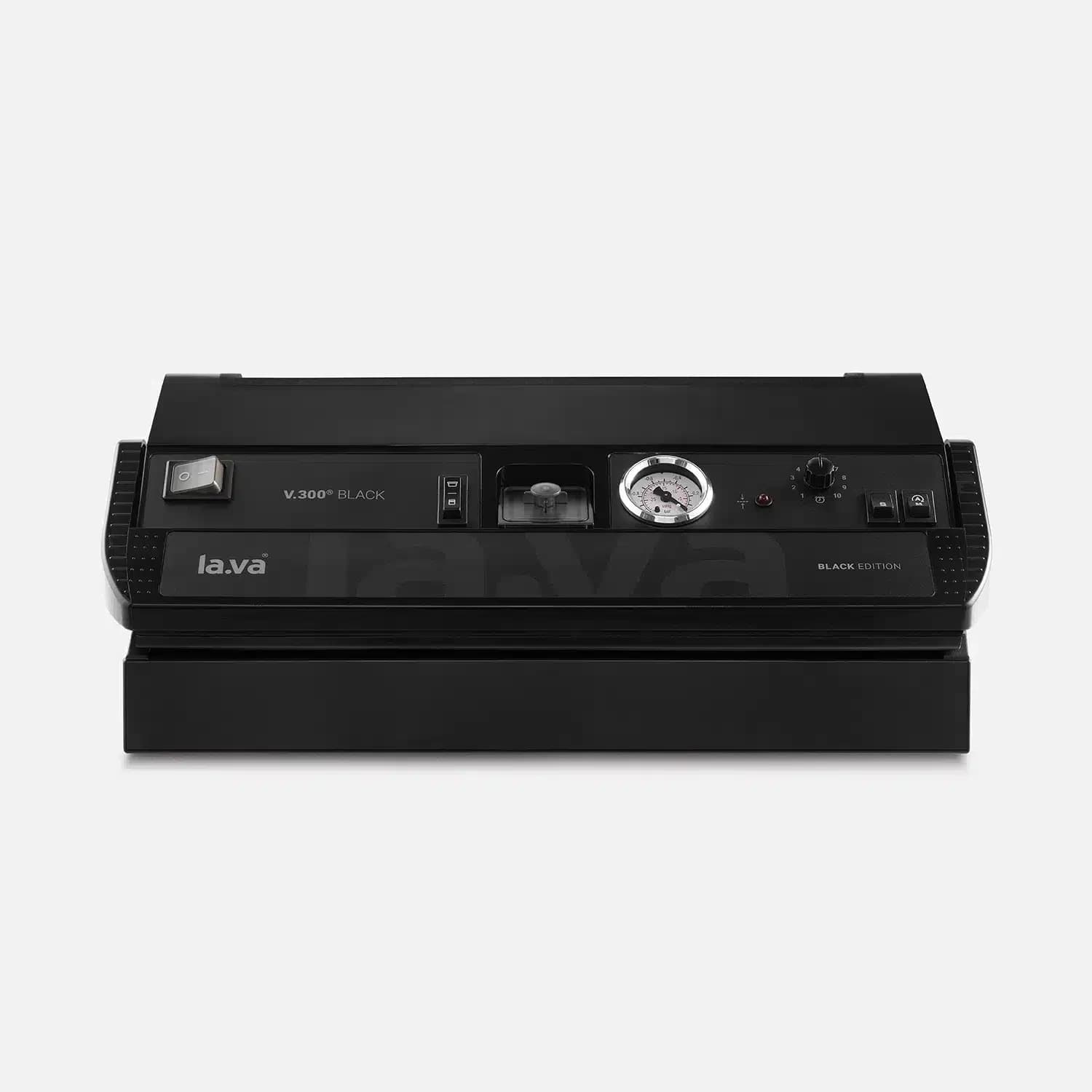
Very wet fillets, prawns and mussels go into the freezer on a tray for about an hour first: firm on the outside, they seal without liquid reaching the seal. Cover spines, fins and sharp bones with a piece of bone protection, and use strong 160-micron bags or rolls for whole fish. Lay fillets flat in one layer.
7 · Freeze flat
Flat packs freeze fast and stack neatly. Write the species, the date and, if you like, where you caught it on each pack.
Thaw with the bag open. Some bacteria found in fish grow without oxygen, even in the fridge. The US Food and Drug Administration advises taking vacuum-packed fish out of its pack, or cutting the bag open, before thawing it in the fridge. Cook it soon after.
How long it keeps
| Item | Not sealed | Vacuum sealed |
|---|---|---|
| Whole fish, fridge (−2 to +5 °C) | 1–3 days | 4–5 days |
| Fish, freezer (−18 °C) | about 6 months | 2–3 years |
LAVA's guide values for best quality. Oily fish such as salmon, mackerel and tailor tastes best eaten sooner.
LAVA AustraliaOfficial LAVA distributor and vacuum-packaging specialists since 2018.