The short answer
- Cool the carcass fast and keep it clean: most of the quality is won or lost before butchering.
- Cut into meal-sized portions, trim fat and sinew, and pad every bone.
- Keep blood out of the seal: freeze wet cuts briefly or use a LiquidStop strip.
- Label species, cut, weight and date. Sealed game keeps 30–40 days in the fridge and 2–3 years frozen (LAVA's figures).
In the field
Field dress the animal soon after the shot, keep dirt and hair off the meat, and let the body heat out: open the cavity, prop it open and get air around it. In warm weather, get the meat into a cool room or onto ice as quickly as you can. Everything that happens here shows later in the taste.
Hang or not?
Many hunters let game rest in a cool room for a few days before butchering, which tenderises the meat. If you have no cool room, butcher once the meat is cold and firm, then let the vacuum-sealed cuts rest in the fridge for a few days before freezing. For longer ageing, dry-aging bags let moisture out while keeping the meat protected.
Butchering for the freezer
Meal-sized portions
Think in meals, not in cuts: two steaks, a roast for four, 500g of mince. Thawed meat shouldn't be frozen again, so smaller packs waste less.
Trim fat and sinew
Game fat turns stale faster than beef fat in the freezer, and silver skin stays tough. Trim both before sealing; it also helps the bag sit tight.
Bones and edges
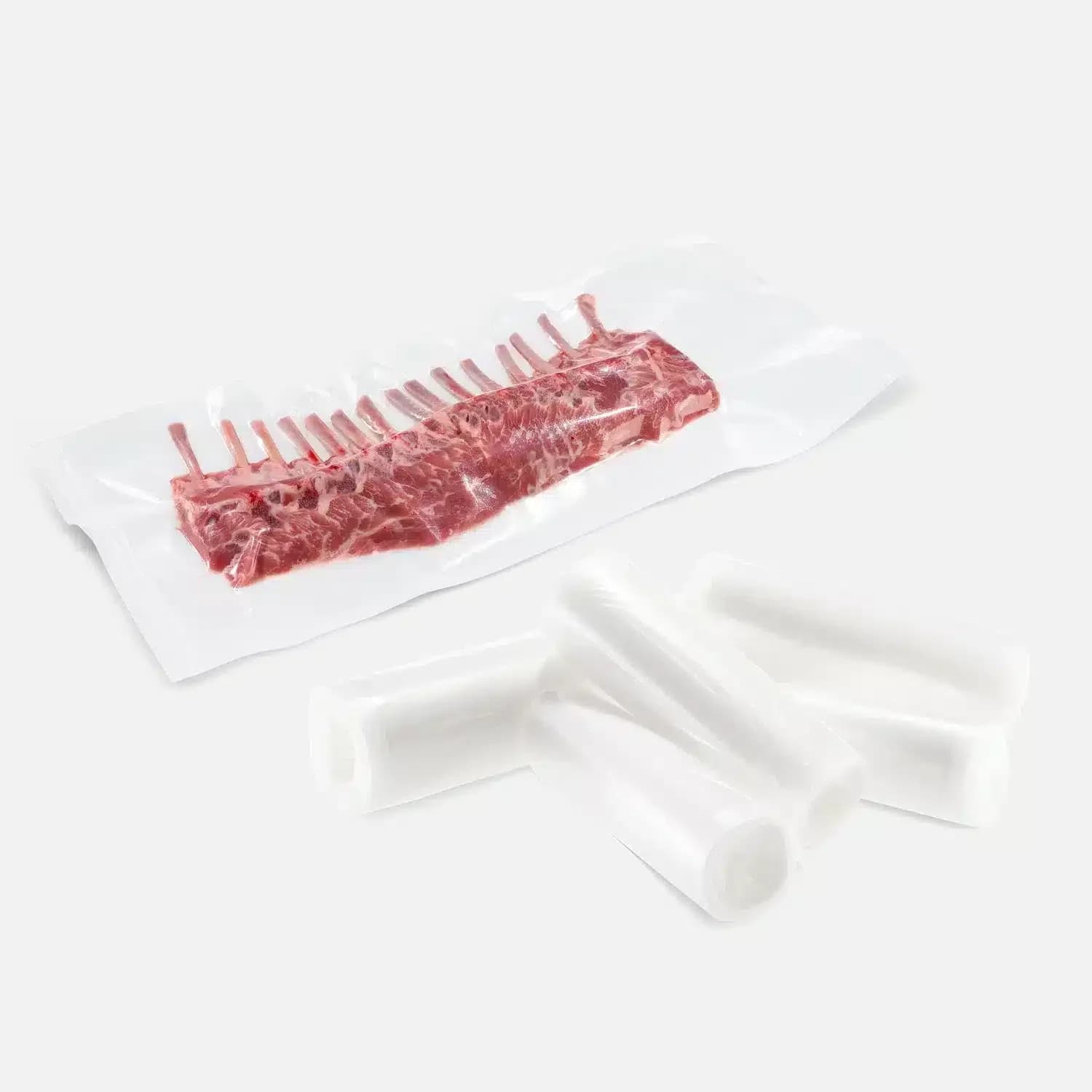
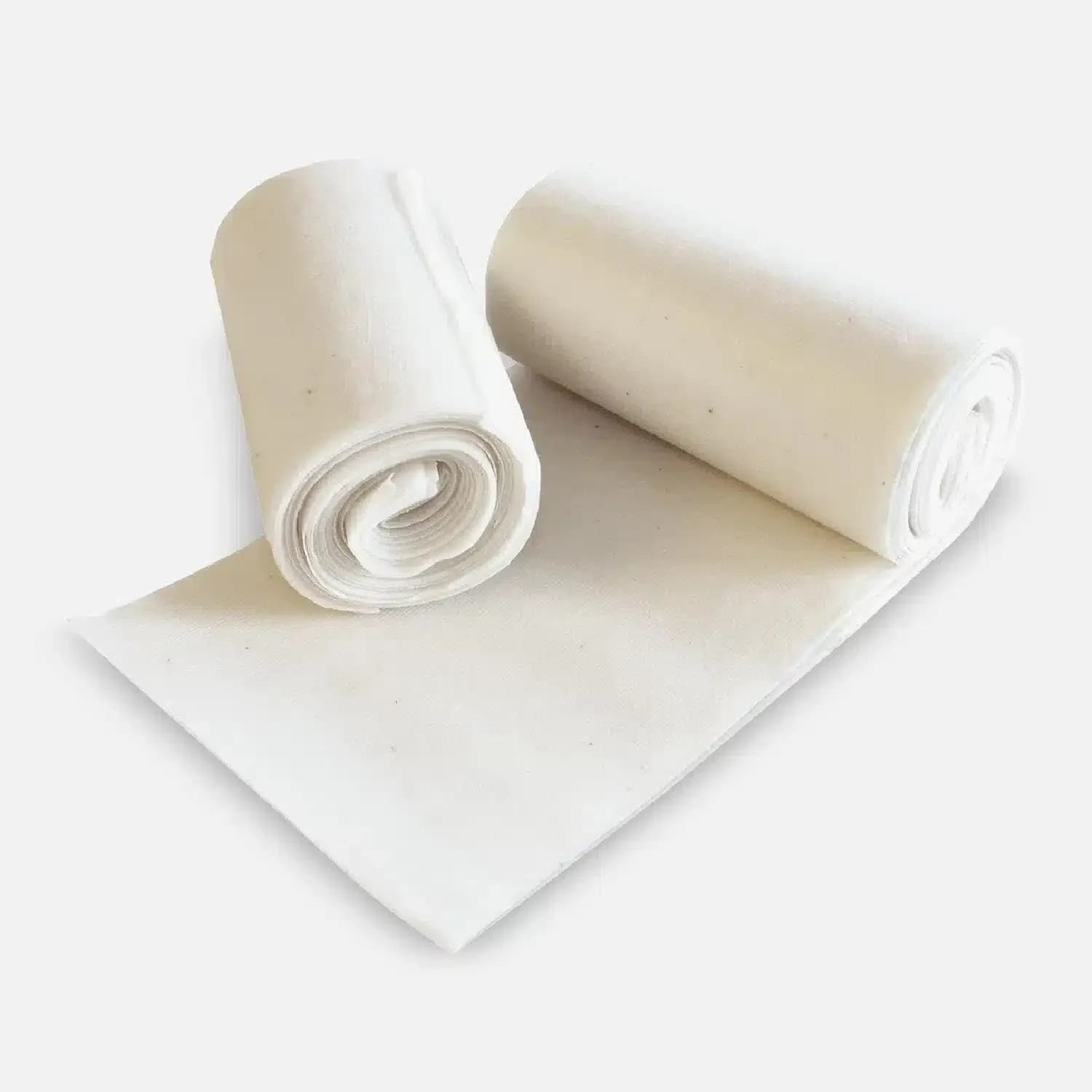
Shanks, ribs and saddles on the bone pierce bags easily. Cover sharp ends with a piece of bone protection and use strong 160-micron bags or rolls. Cut the roll a few centimetres longer than the piece, so there's room to seal.
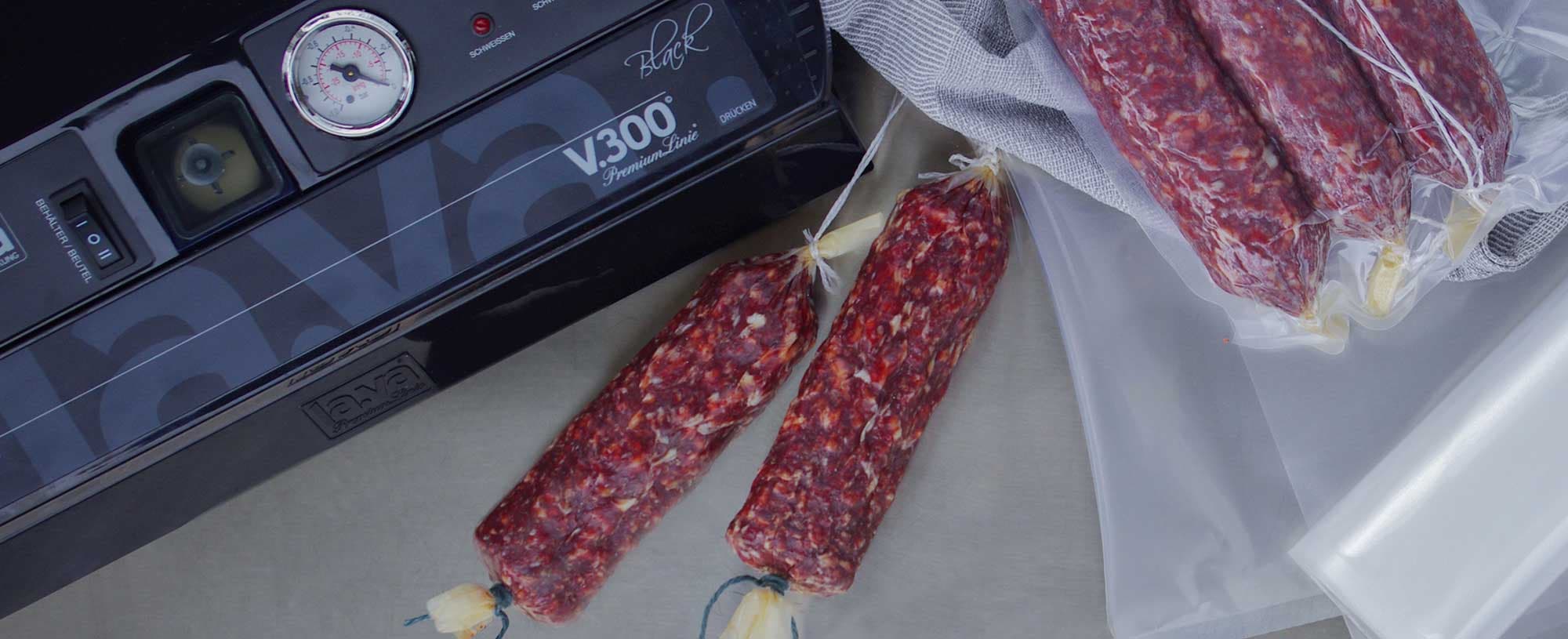
Keeping blood out of the seal
Fresh game is wet, and blood drawn into the seal area makes a weak seal. Three ways around it:
- Freeze briefly first. An hour on a tray in the freezer firms the surface.
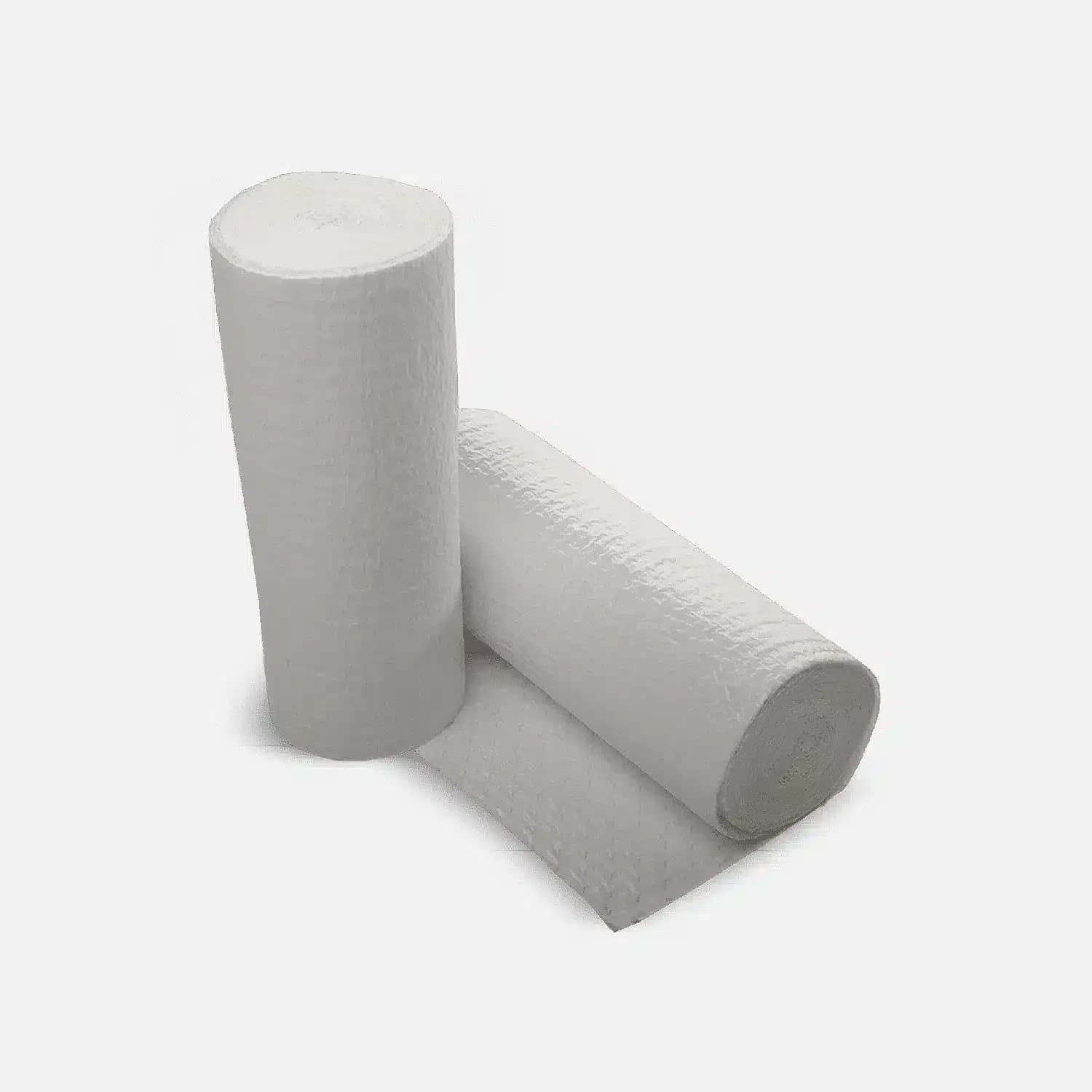
- LiquidStop strip. Laid across the bag below the seal line, it soaks up juice before it reaches the seal.
- Let the bag hang down. Set the sealer at the edge of the bench, so the bag hangs over it and liquid stays at the bottom.
Label, freeze, rotate
Species, cut, weight and date on every pack, and write it before sealing, while the bag is dry. Freeze packs flat in one layer, then stack them. Oldest at the front.
A sealer for the big days
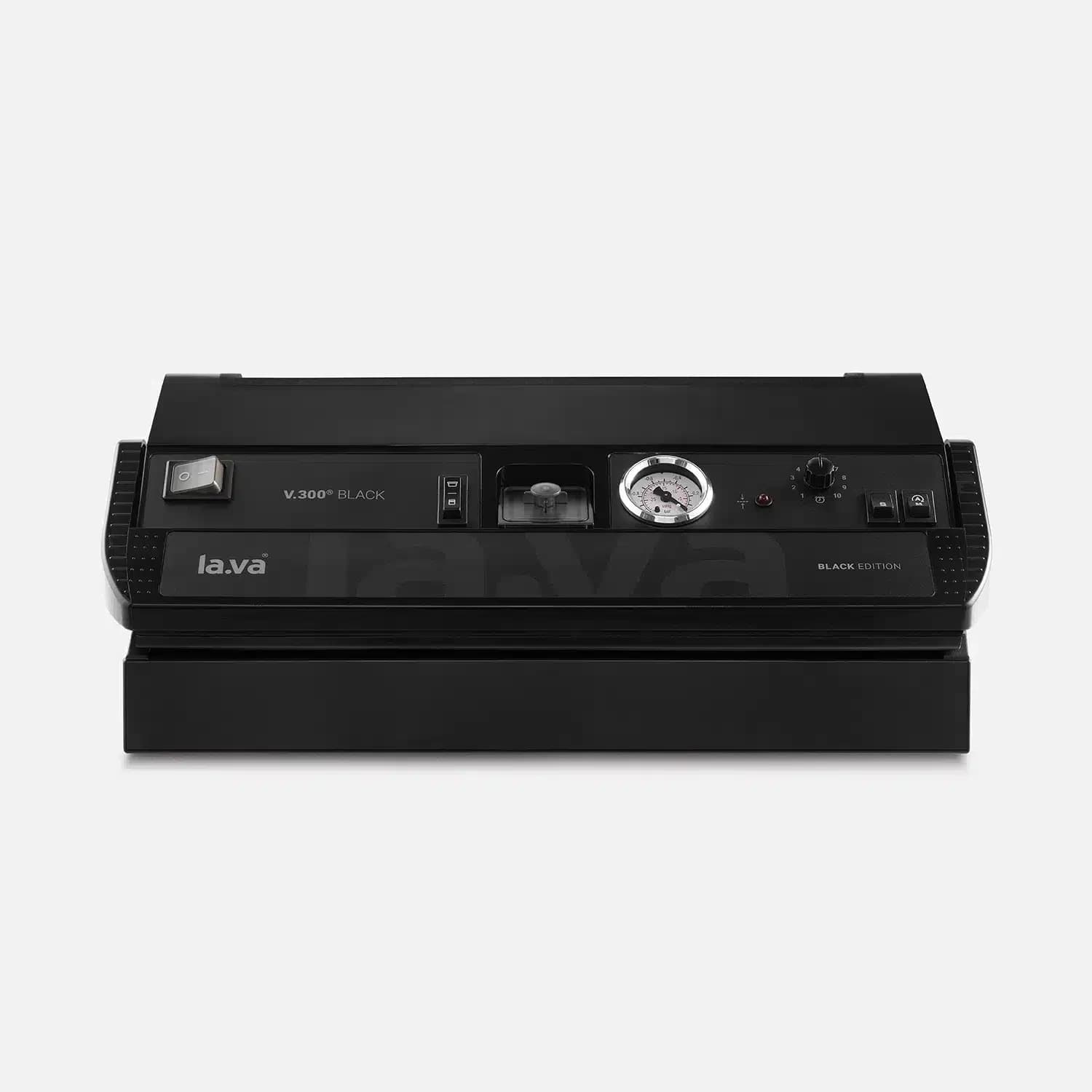
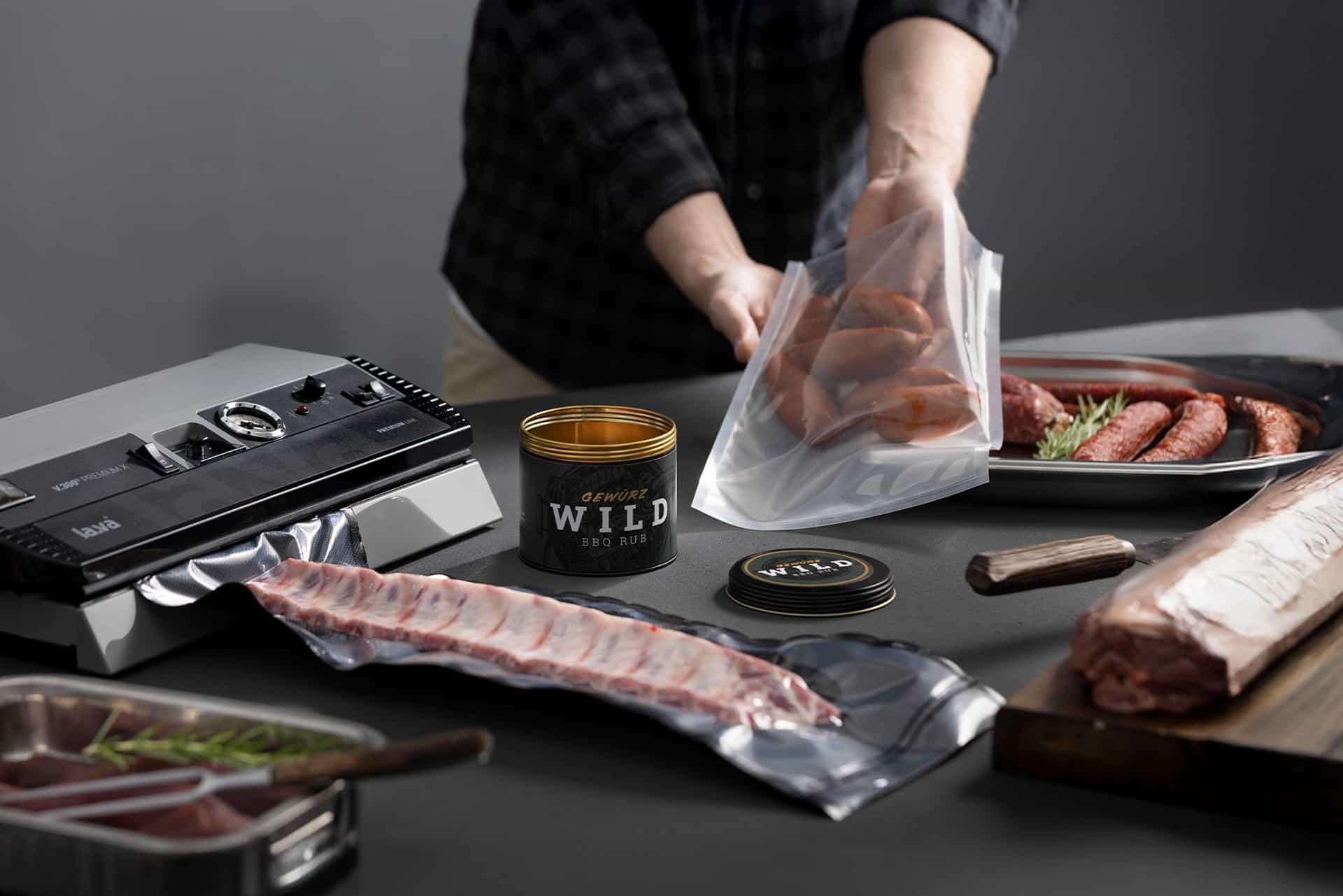
Breaking down a whole animal can mean a hundred packs in an afternoon. Cheap sealers overheat after a few seals and need breaks; every LAVA sealer is built for long sessions, with a piston pump and up to 1,000 seals in a row (LAVA's figure). Wider machines also take bigger cuts: a 34cm seal bar is enough for most, and the V.400 (46cm) or V.500 (72cm) takes a saddle or a large roast.
A hunter's view of the V.300 Black: the V.300 Black review
| Game | Not sealed | Vacuum sealed |
|---|---|---|
| Fridge (−2 to +5 °C) | 2–3 days | 30–40 days |
| Freezer (−18 °C) | about 6 months | 2–3 years |
LAVA's guide values for best quality.
LAVA AustraliaOfficial LAVA distributor and vacuum-packaging specialists since 2018.