The short answer
- Freezer burn is food drying out in the freezer: ice leaves the surface and settles as frost in the air around it.
- It's safe to eat, but tough and tasteless; cut the dry parts away.
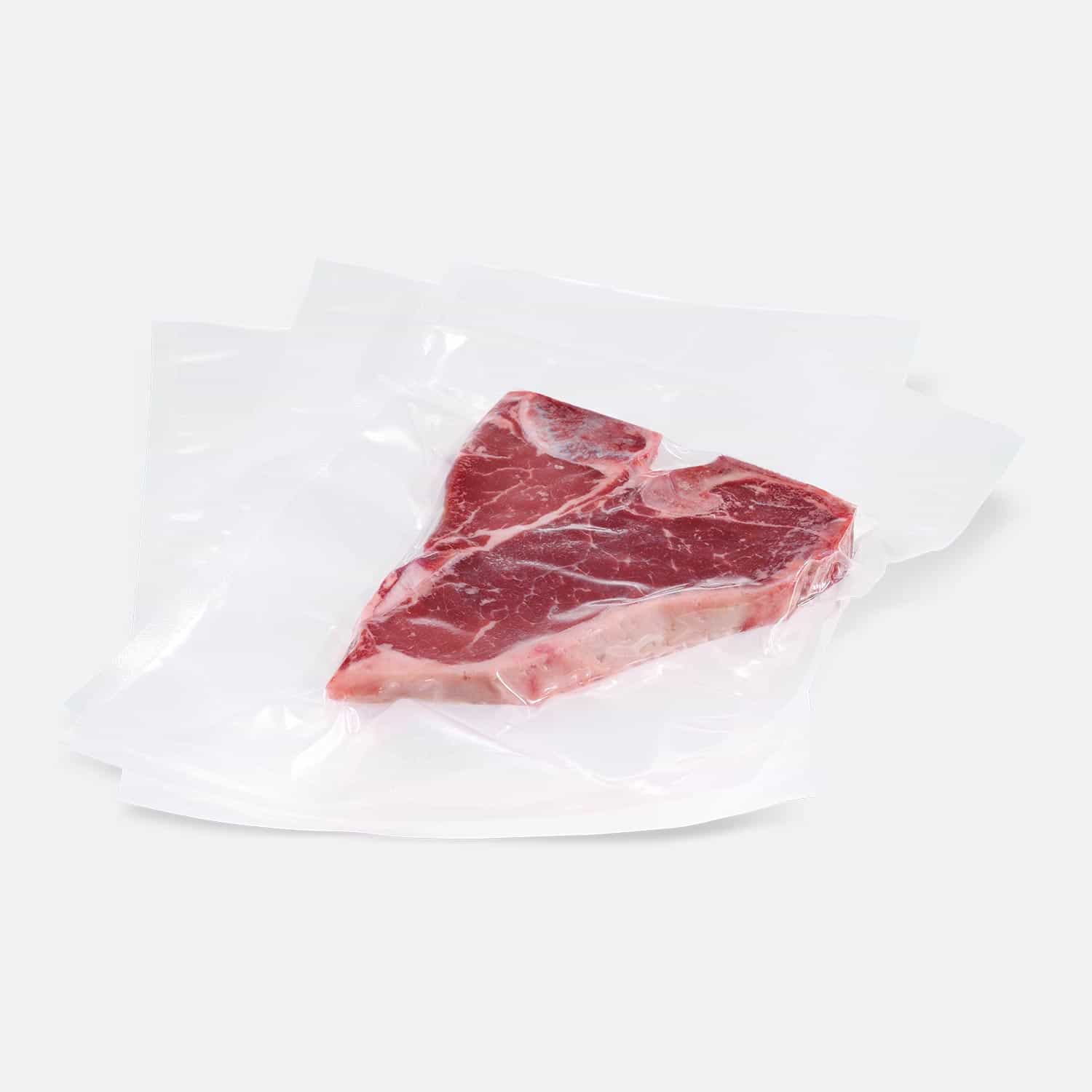
- No air around the food means no freezer burn: vacuum sealing removes the space the ice moves into.
- Sealed, meat keeps its quality for 2–3 years at −18 °C (LAVA's figure), against about 6 months unsealed.
What freezer burn is
Even at −18 °C, ice slowly turns straight into vapour. When there's air around the food, the ice at its surface does exactly that, and the vapour freezes again on the coldest spot nearby: the inside of the bag or container, as frost. Bit by bit the surface of the food dries out. Without its water, the surface also meets more oxygen, so fat goes stale and colour fades to grey-brown.
Fig. 14 · Why air matters
Where the ice goes
The same steak in the freezer, with and without air in the bag; schematic.
Is freezer-burned food safe?
Yes. Freezer burn is a loss of quality, not a safety problem: the food dried out, it didn't spoil. Food-safety authorities such as the US Department of Agriculture say freezer-burned food can be eaten. Trim the dry, discoloured parts before or after cooking; heavily burned pieces are best in stews or mince, where texture matters less.
Why it happens
Air in the pack
The biggest cause. Cling wrap, zip bags and supermarket trays all leave air around the food, and every air pocket is room for ice to move into.
Time and temperature swings
The longer food sits, the more it dries. Opening the door often, a freezer that's too full or too warm, and the defrost cycles of frost-free freezers all speed it up.
A seal that lets go
A sharp bone or fin can pierce a bag, and moisture or fat in the seal area can weaken the seal. Air gets back in and the burn starts.
How to stop it
- 1
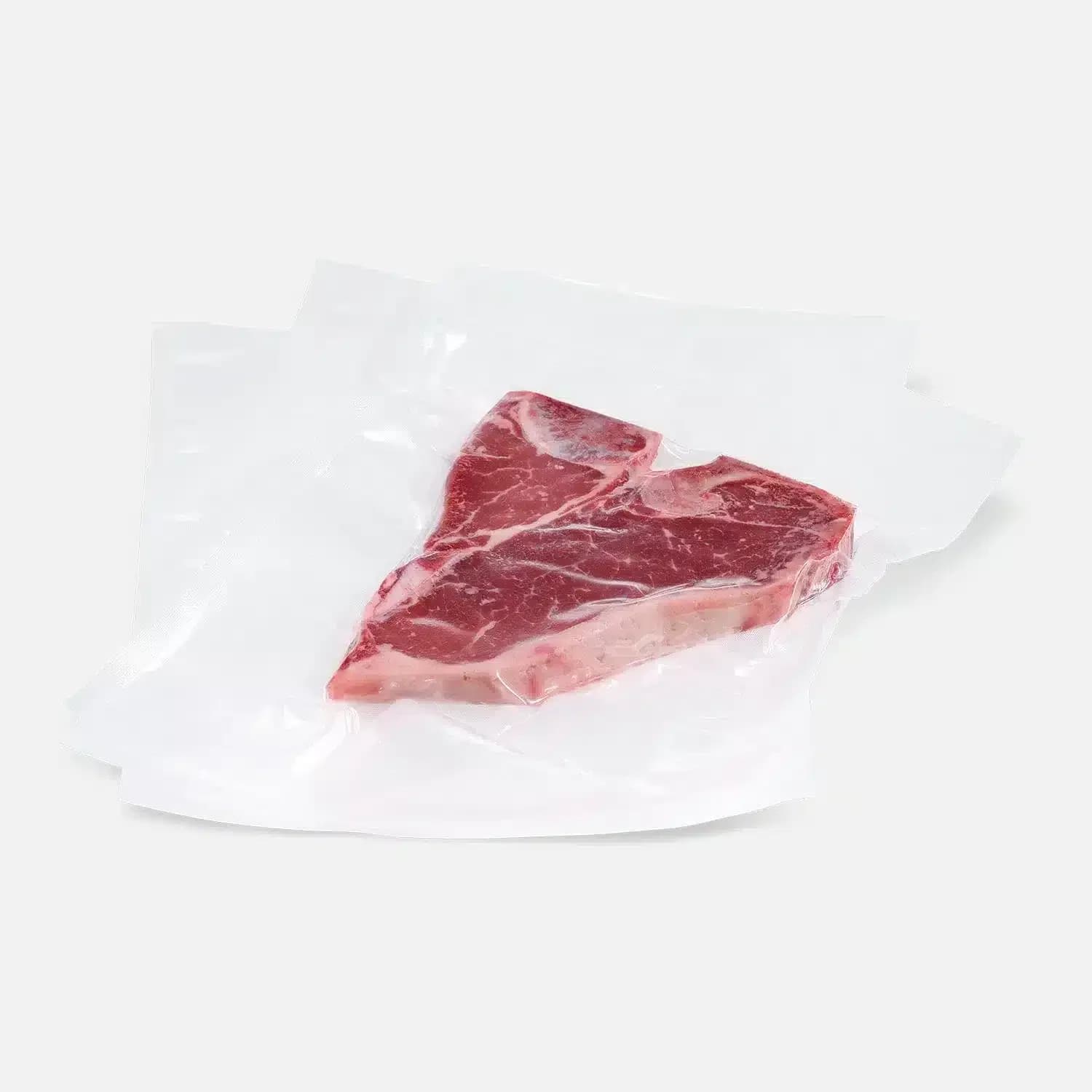
Vacuum sealThe film lies tight on the food, so there's no space for ice to move into. Use embossed bags or rolls.
- 2
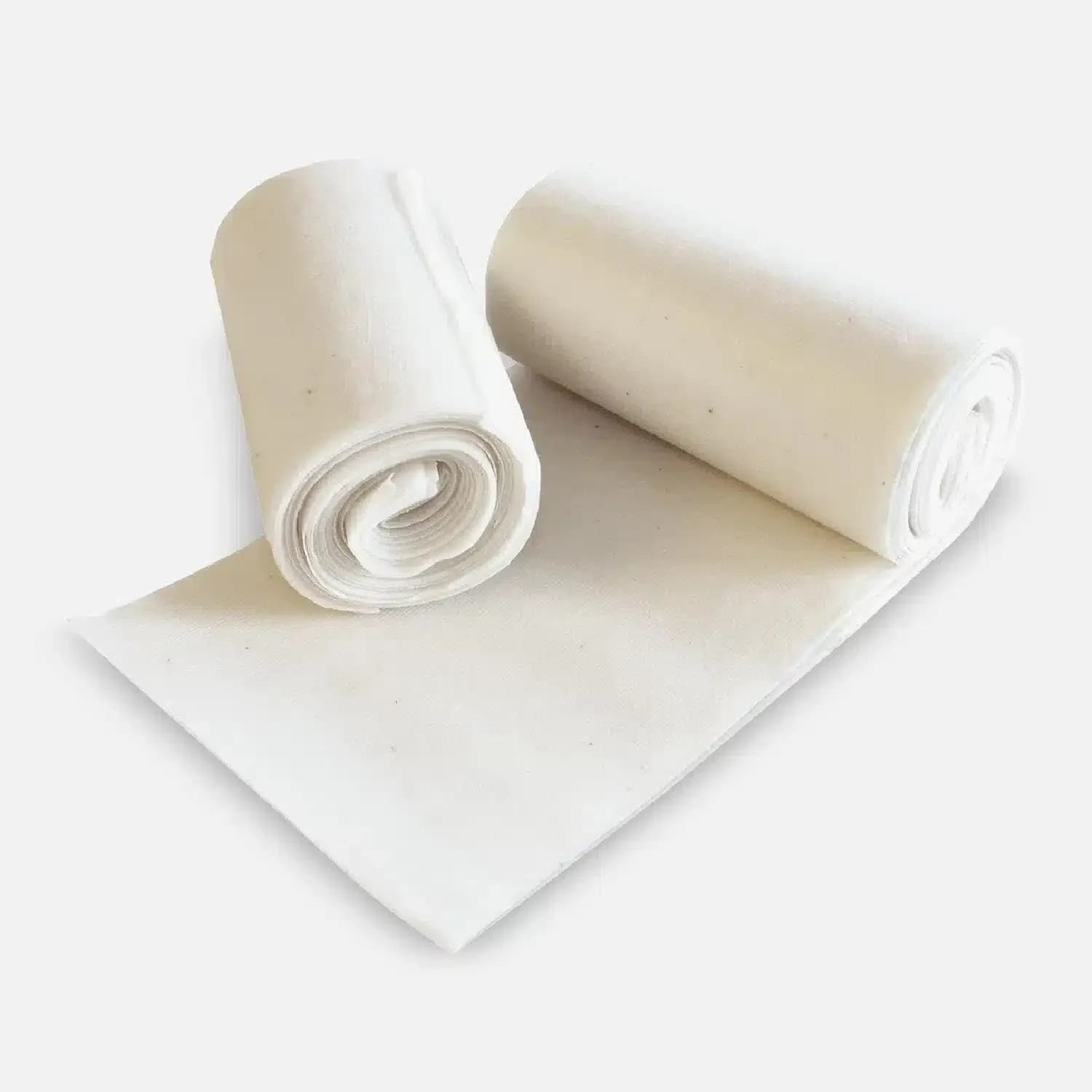
Pad bones and finsA layer of bone protection over sharp edges keeps the bag whole; for bony cuts, strong 160-micron bags help.
- 3
Keep the seal area cleanFold the bag opening back while filling, wipe it dry, and freeze very wet food for an hour before sealing.
- 4
Freeze flat and coldFlat packs freeze faster and stack well. Keep the freezer at −18 °C or colder and don't overfill it.
- 5
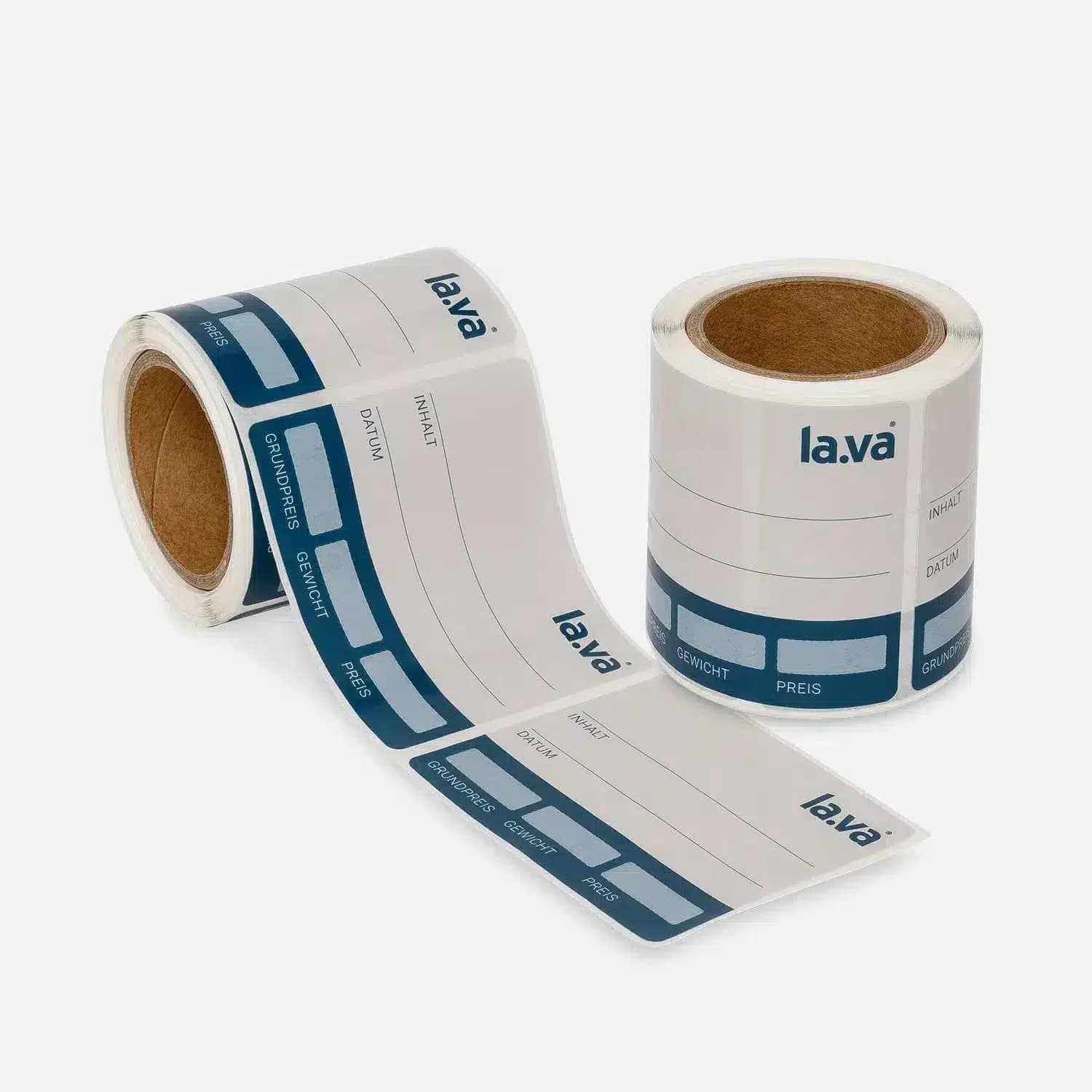
Label and rotateContents and date on every pack, oldest at the front.
| At −18 °C | Not sealed | Vacuum sealed |
|---|---|---|
| Meat, poultry, fish | about 6 months | 2–3 years |
| Mince | about 4 months | about 12 months |
Storage for best quality; LAVA's guide values, as in How long does vacuum-sealed meat keep?
LAVA AustraliaOfficial LAVA distributor and vacuum-packaging specialists since 2018.