The short answer
- Water heats food by contact: an air pocket insulates that spot and a bag with air floats, so the food cooks unevenly.
- A tight vacuum keeps the bag under water and the film against every part of the food.
- Season in the bag, seal flat in one layer, freeze liquid marinades first.
- Use bags rated for cooking: LAVA's R-Vac and E-Vac up to 95 °C for up to 2 hours.
What the vacuum does
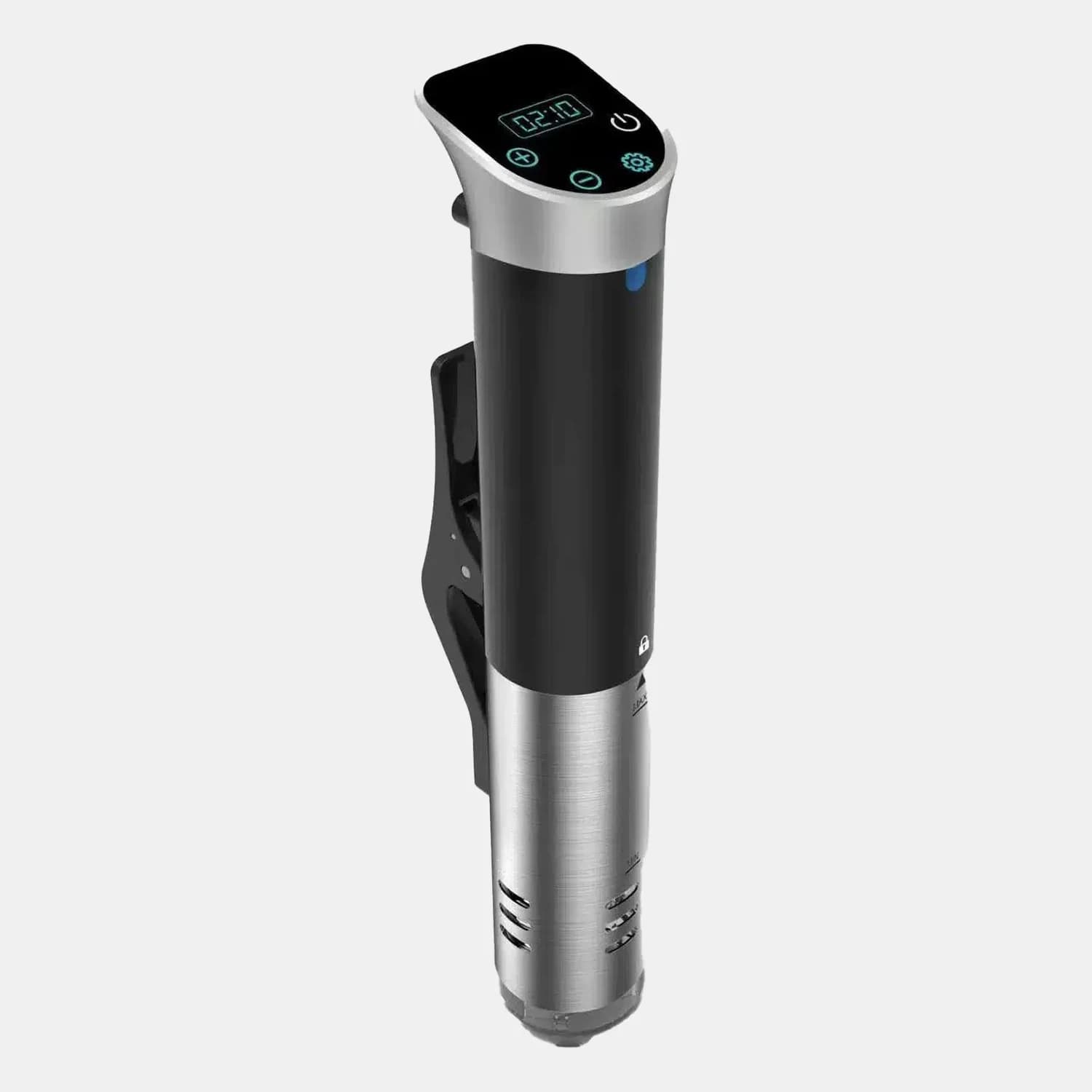
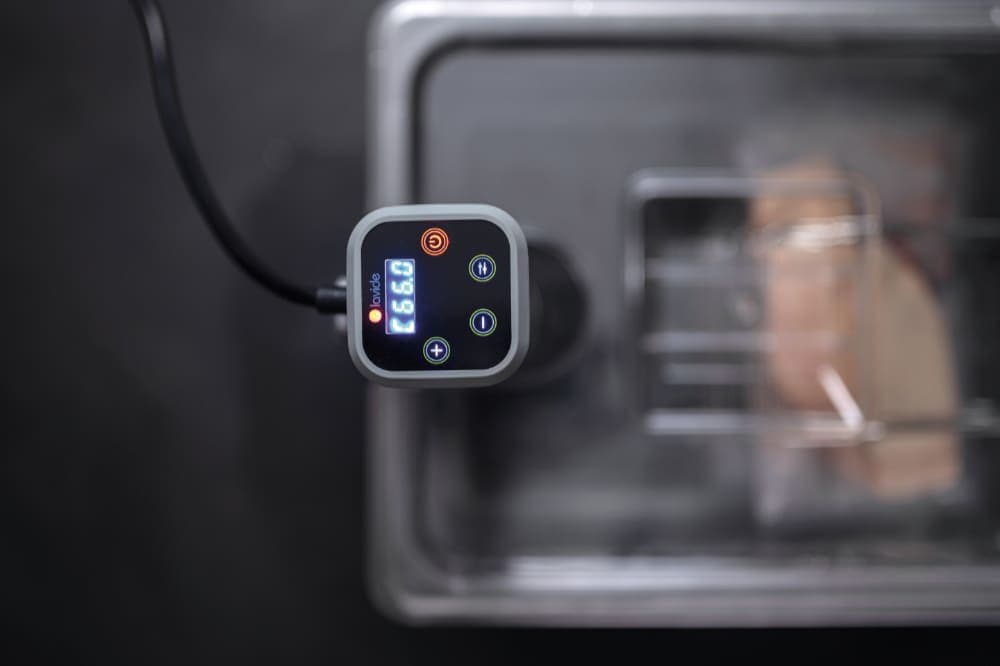
Sous vide cooks food in a water bath held at the exact temperature you want it to end up at. Water passes heat on far better than air, but only where it touches: a pocket of air between film and food insulates that spot, and a bag with air in it floats, with part of the food above the water. The result is a piece that's done on one side and not on the other.
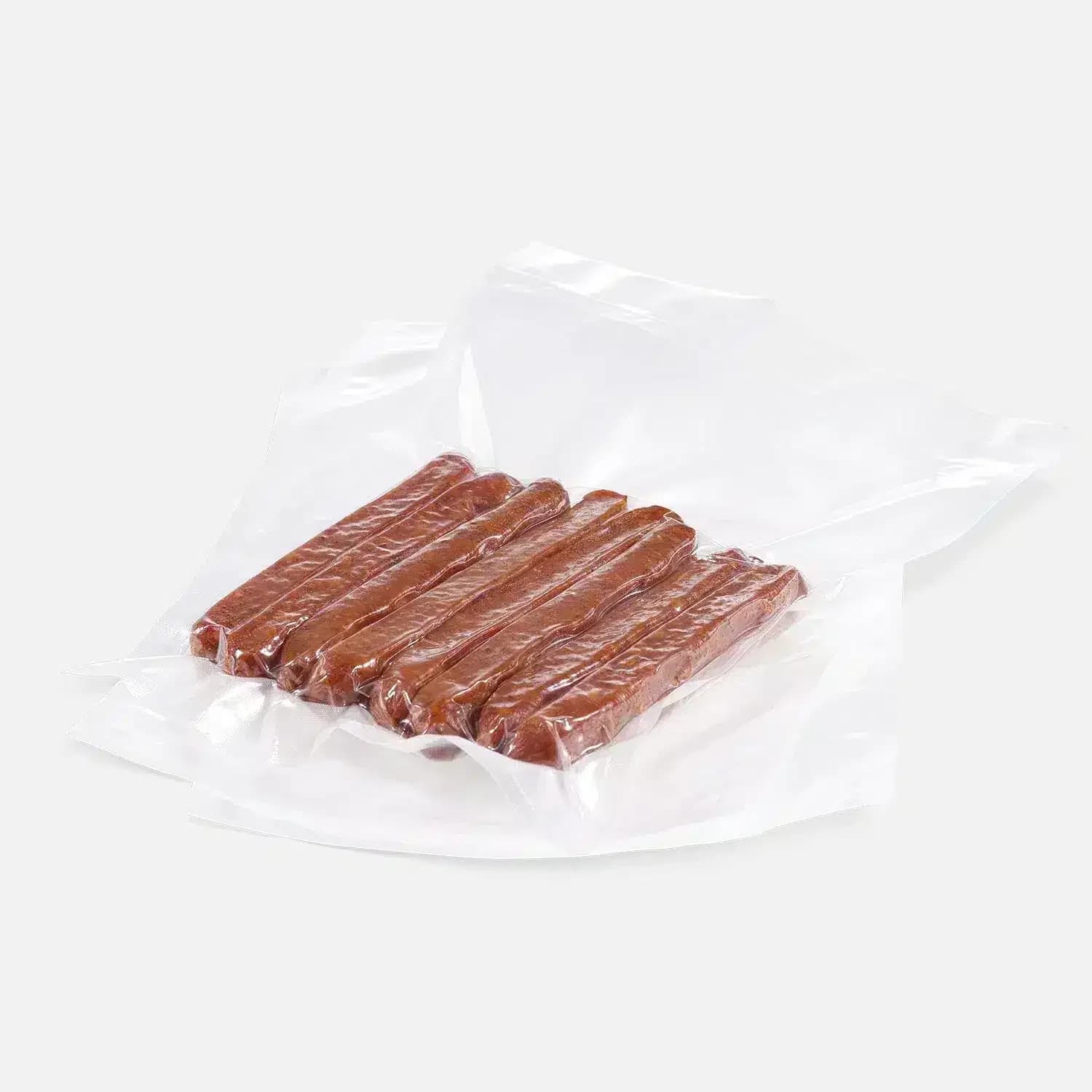
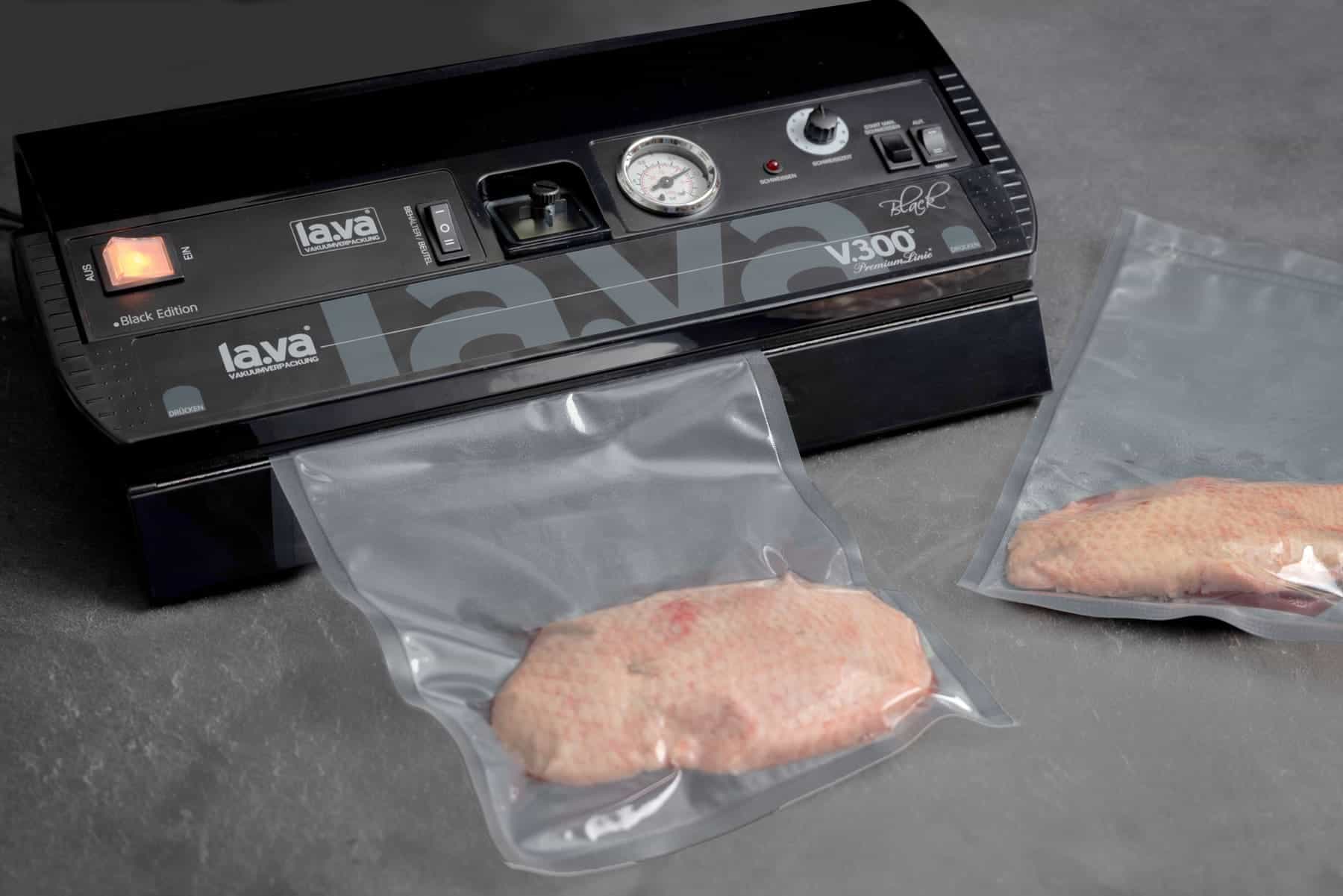
Sealed under vacuum, the film lies against every surface, the bag stays down and the heat reaches the centre evenly. Juices, fat and seasoning stay in the bag with the food instead of boiling off.
The method comes from French kitchens of the 1970s, where chefs and food scientists worked out how low, exact temperatures and sealed bags keep food tender and moist.
Sealing for sous vide
Season in the bag
Salt, pepper, herbs, a knob of butter or a splash of oil go in with the food. Go easy on raw garlic for long cooks: it turns harsh.
Flat, in one layer
Pieces side by side, not stacked, so the water reaches each one. Two bags are better than one overfull one.
Helps: R-Vac bags
Liquids frozen first
Marinades, stock and sauces are drawn towards the seal. Freeze them in the open bag for an hour, or use pressure control and stop the vacuum in time.
Helps: Pressure control L+
A clean, dry seal
Fold the opening outward while you fill the bag, so no fat or juice reaches the seal area: a clean seam holds for hours in hot water.
If something goes wrong
- 1
The bag floatsAir got in or gas formed. Take it out, cut it open and seal it again, or weigh it down with a plate.
- 2
The bag leaksA bone pierced it or the seal area was greasy. Pad sharp bones and use thicker 160 micron bags for them.
- 3
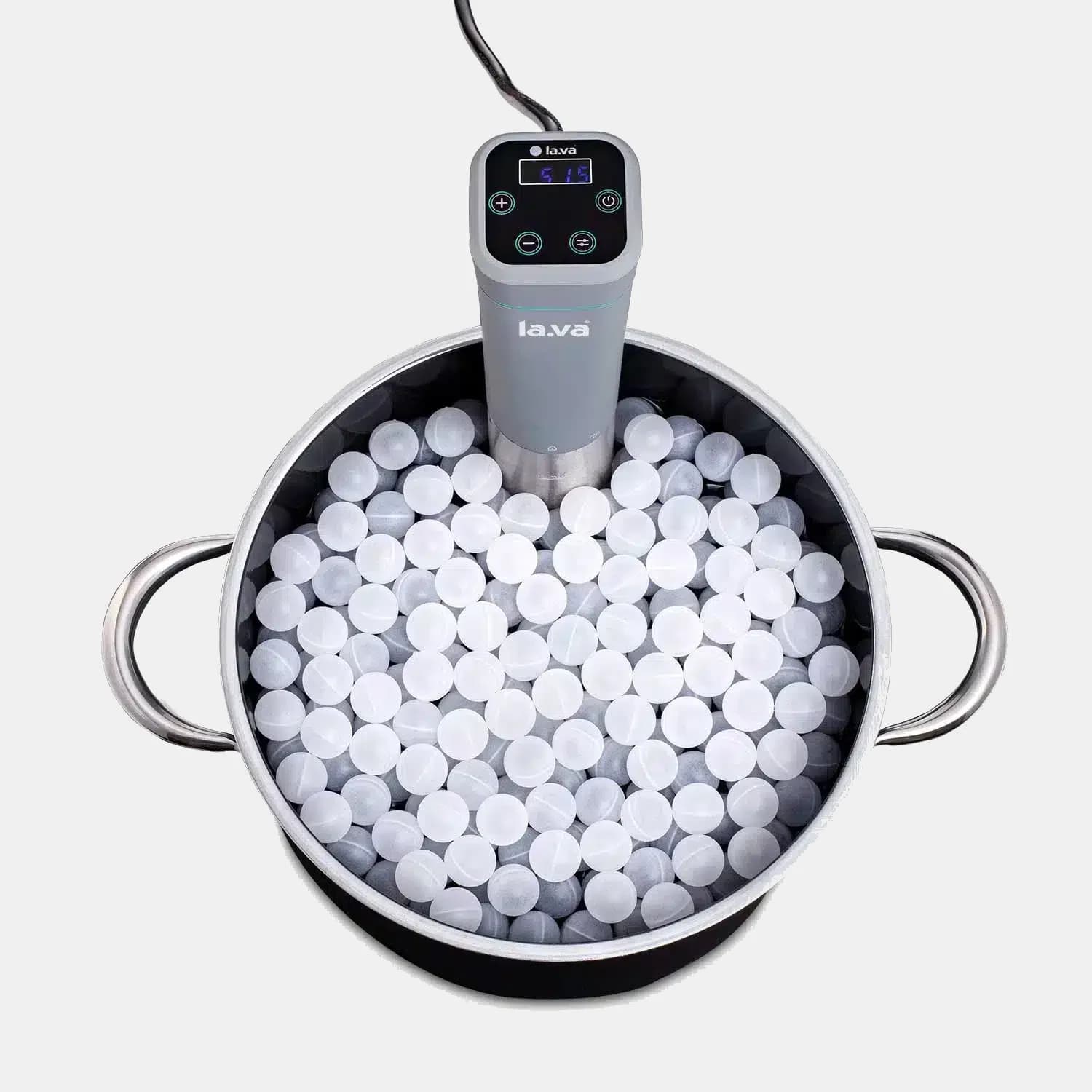
The water keeps droppingLong cooks lose water to evaporation: a lid or a layer of insulation balls keeps it in.
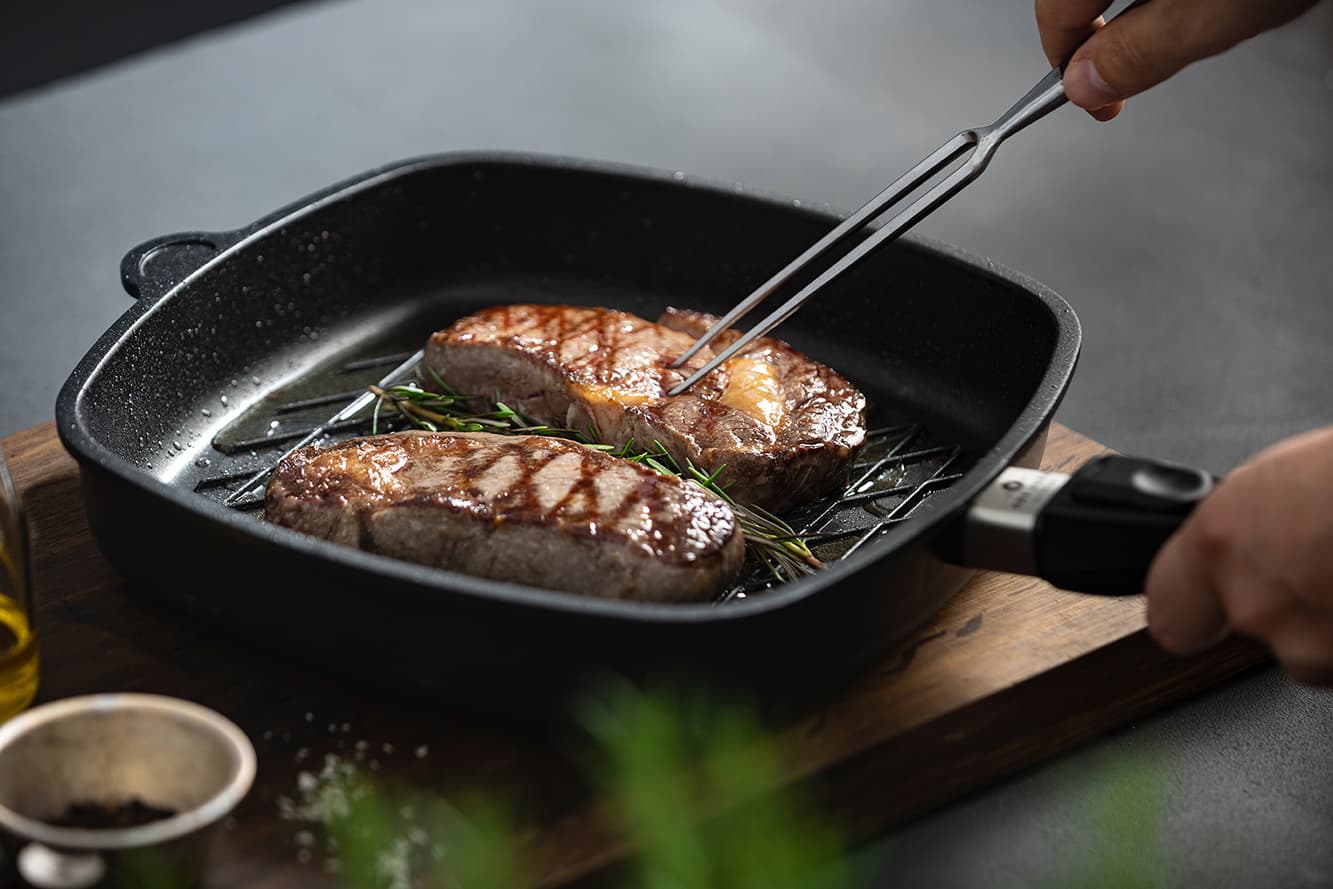
Rated bags, fresh food, served straight away. R-Vac and E-Vac are rated for sous vide up to 95 °C for up to 2 hours; for longer cooks above 70 °C, LAVA recommends heat-resistant cooking bags. Low temperatures cook food but don't pasteurise it the way hotter cooking does: use very fresh food and serve it straight away.
LAVA AustraliaOfficial LAVA distributor and vacuum-packaging specialists since 2018.