The short answer
- In a vacuum bag the marinade touches every surface, a few spoonfuls are enough and nothing needs turning.
- Marinades still work from the outside in: give meat its usual time in the fridge, less for fish and acidic marinades.
- Wet marinades seal cleanly with a cold bag no more than two-thirds full, a dry seal area and a gentle vacuum.
- Marinate and freeze in one go: the meat takes on flavour as it thaws in the fridge.
What a marinade does
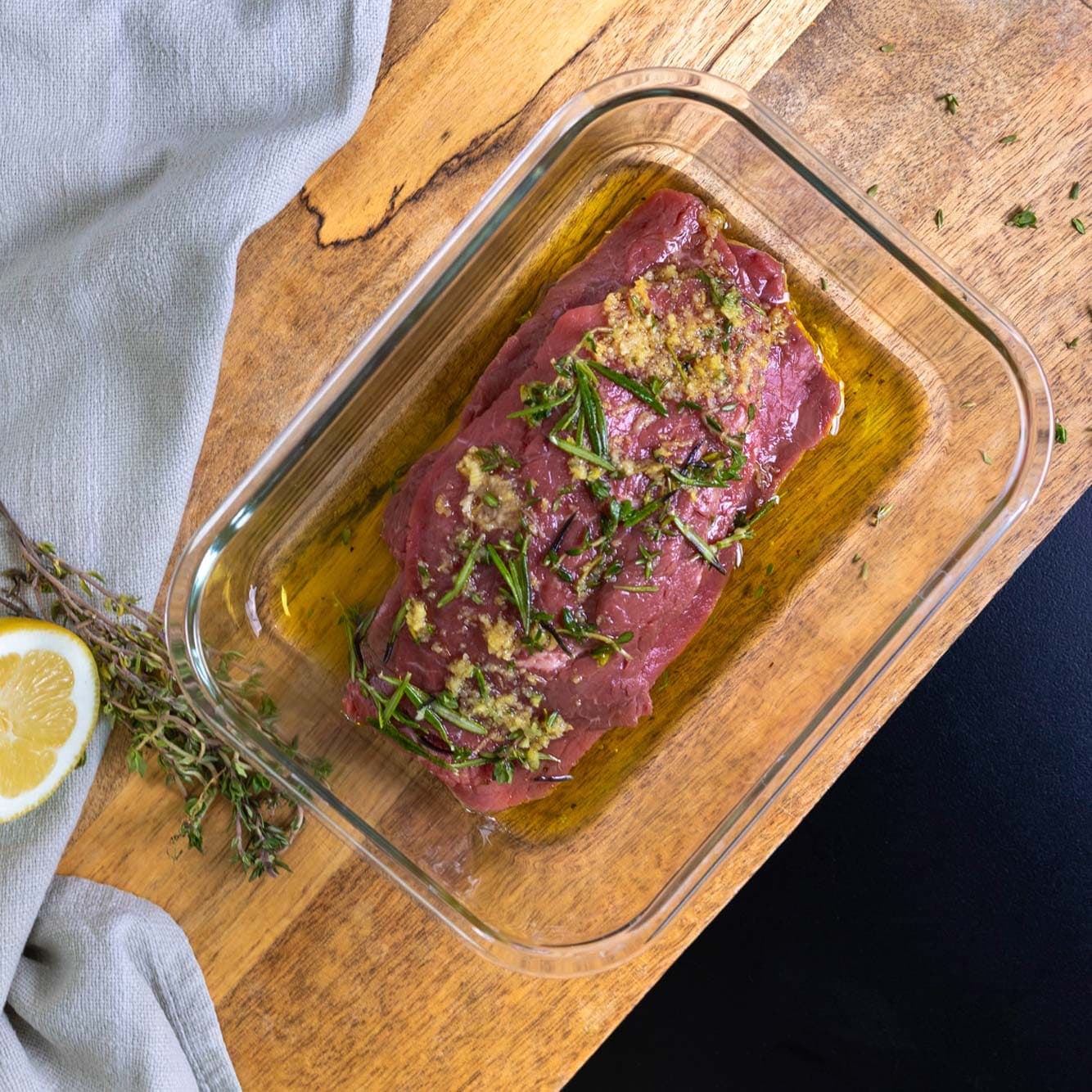
A marinade is oil, an acid such as wine, citrus juice, vinegar or yoghurt, salt, and herbs and spices. Oil carries the flavour, acid and salt soften the outer layer, and spices and herbs season the surface. Most of it acts on the outside of the meat: salt travels inward over hours, other flavours only a few millimetres. That's why thin cuts, scored surfaces and enough time matter more than a big bowl of marinade.
What the vacuum adds
Marinade on every surface
The bag closes around the meat, so the marinade reaches every side and fold instead of pooling at the bottom of a bowl. Nothing needs turning.
Less marinade, no mess
A few spoonfuls cover a steak. The sealed bag doesn't leak or pass smells to the rest of the fridge, and it stacks flat.
Straight on to the next step
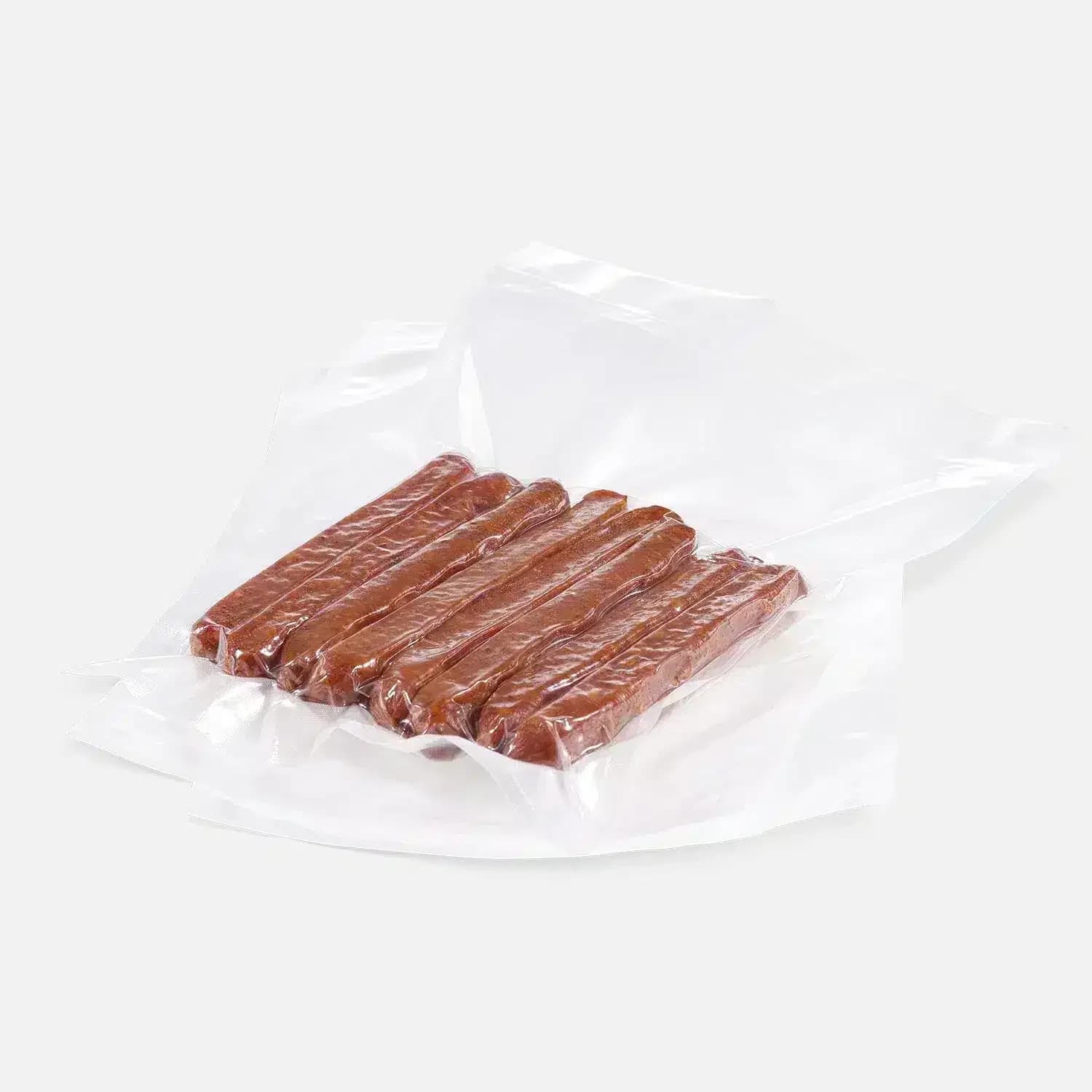
Marinated and sealed, the meat can go into the fridge for later today, into the freezer for the weekend's barbecue, or straight into the sous vide bath.
Helps: R-Vac bags
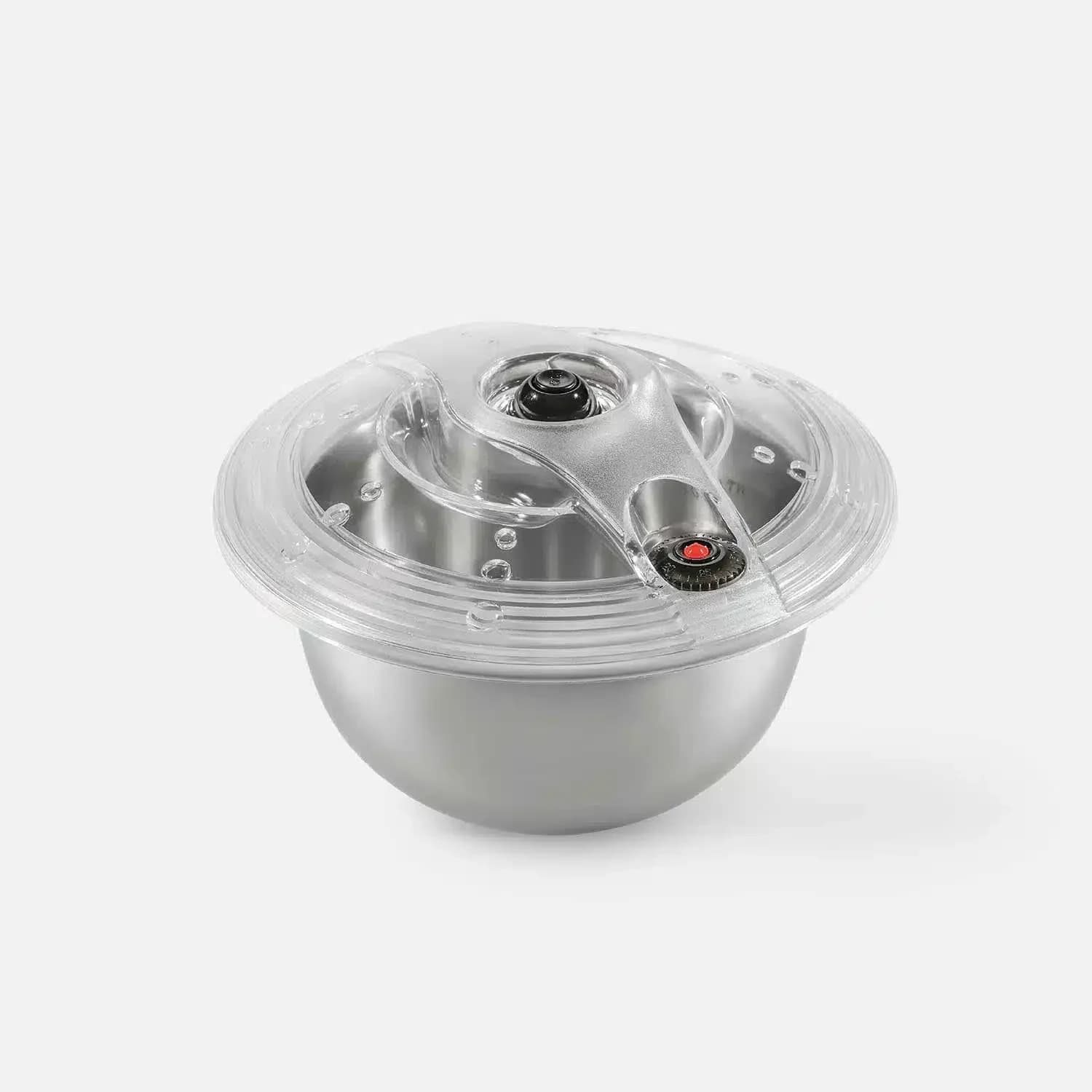
Or a marinating container
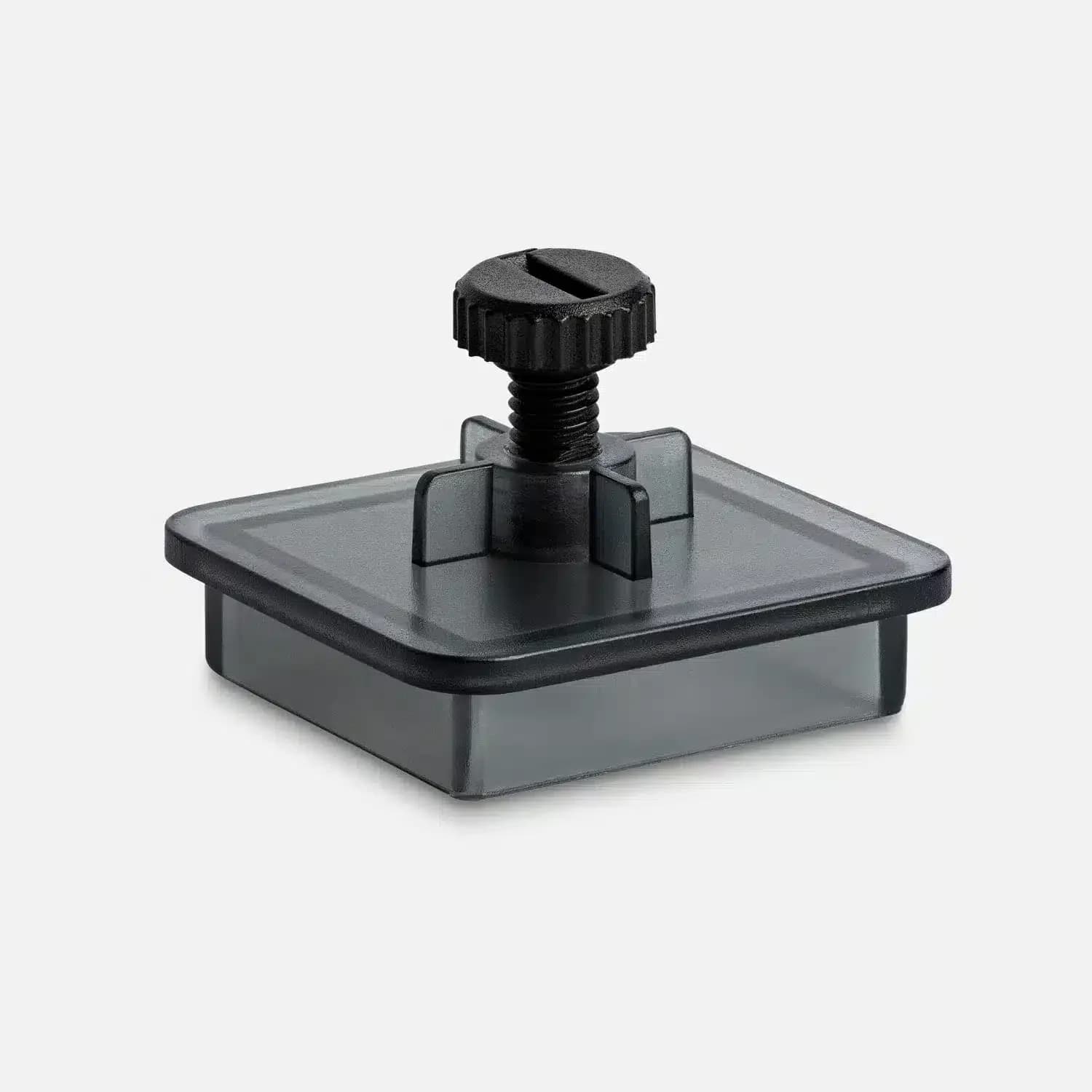
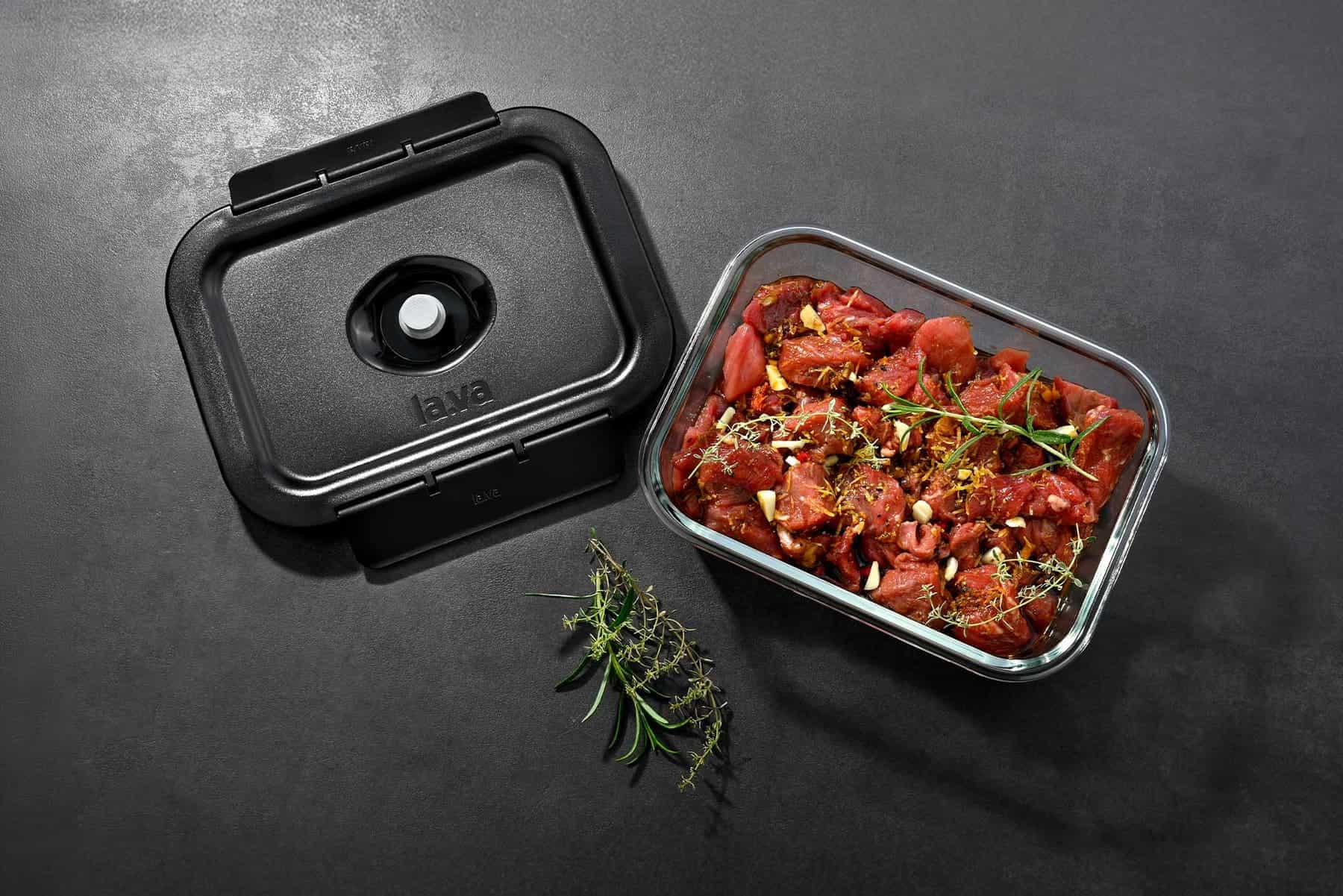
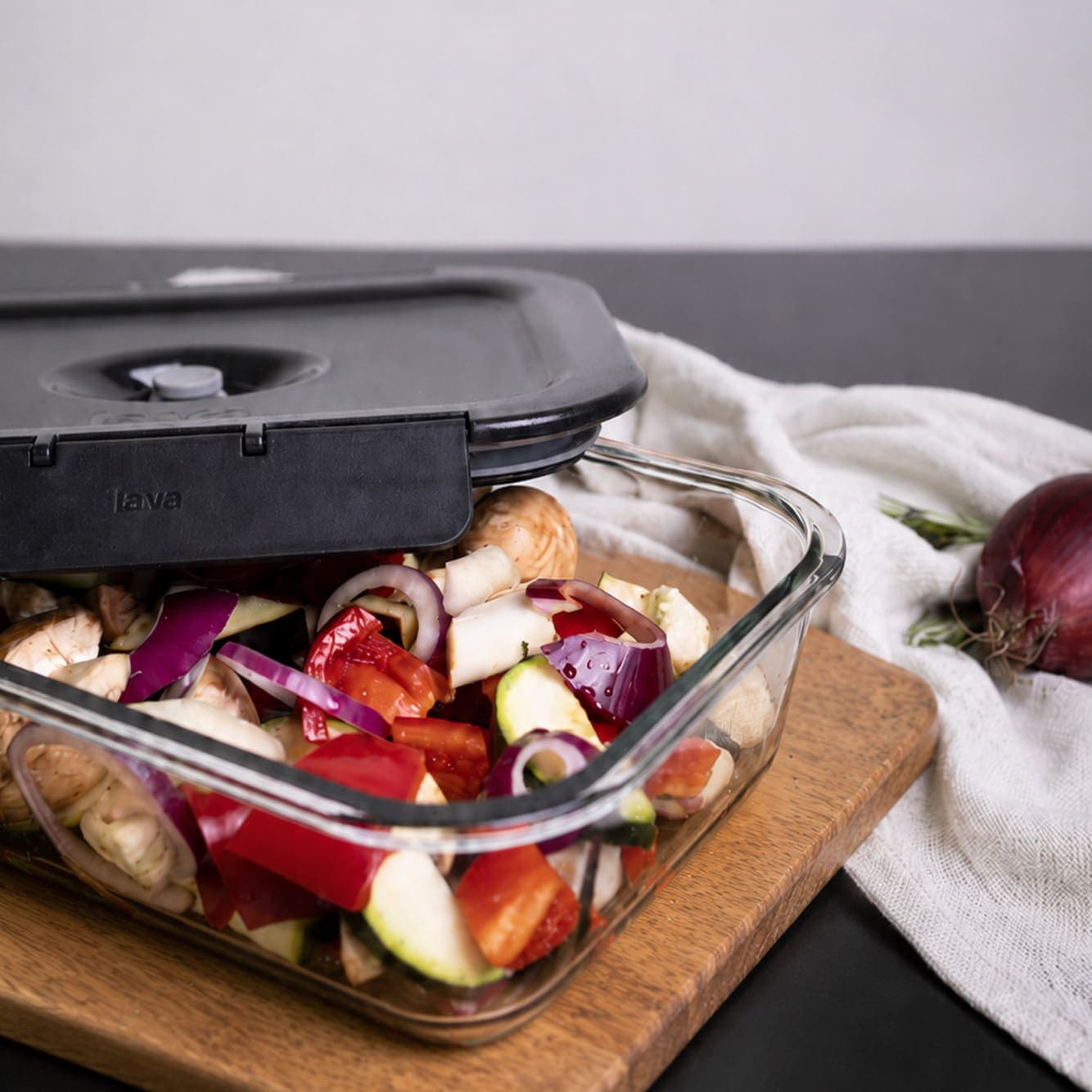
A vacuum container takes runny marinades, chunky vegetables and halloumi without any sealing: fill, put the lid on and draw the air out.
Helps: ES-Line marinating bowls · NEW-Line marinating container
How long to marinate
In the fridge, in a sealed bag or container.
| Food | Time |
|---|---|
| Fish and seafood | 15–30 minutes; acid starts to 'cook' it |
| Vegetables, halloumi, tofu | 30 minutes to 2 hours |
| Chicken pieces | 2 hours to overnight |
| Pork and lamb chops, steaks | 2 to 12 hours |
| Tough or large cuts (brisket, ribs, leg of lamb) | Overnight, up to 24 hours |
General guidance. Strongly acidic marinades (lots of citrus or vinegar) need the shorter times, or the surface turns mushy.
Sealing a wet marinade cleanly
Cold, and no more than two-thirds full
Chill the meat and the marinade before sealing. Fill the bag no more than two-thirds, so there's room between the food and the seal.
Keep the seal area dry
Fold the bag opening outward like a cuff while you fill it, then fold it back: the seal area stays clean and dry.
Hang the bag over the edge
Set the sealer at the edge of the bench, so the bag hangs down and the liquid stays at the bottom, away from the seal.
A gentle vacuum
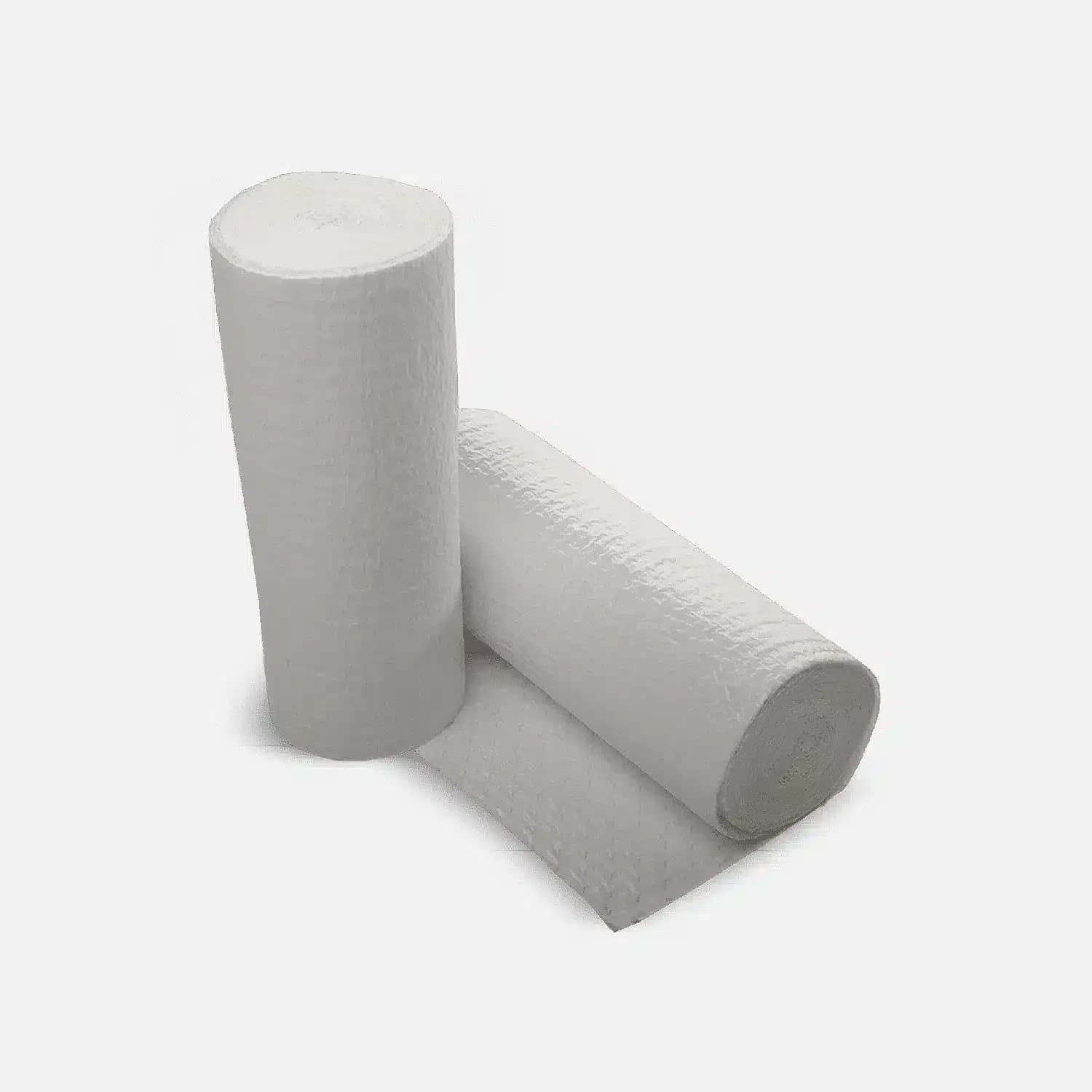
Full vacuum pulls liquid towards the seal. With pressure control you stop the vacuum before the marinade rises: built into LAVA sealers from the V.300 up, an add-on (L+) for the V.100 and V.200. A LiquidStop strip in the bag catches what still comes up.
Helps: Vacuum pressure control L+ · LiquidStop
Or freeze it first
Very runny marinades: lay the open bag flat in the freezer for an hour, or freeze the marinade in cubes, then seal.
Marinate ahead
- 1
Marinate and freezeSeal the meat with its marinade and freeze it flat. It takes on flavour as it thaws in the fridge, ready for the barbecue.
- 2
Into the sous vide bathOil-based marinades work best; go easy on raw garlic for long cooks, which turns harsh.
- 3
Label itWhat, which marinade and the date: marinated packs all look alike in the freezer.
Marinate in the fridge, not on the bench. Raw meat in a marinade is still raw meat: keep it at 5 °C or below. Don't use the raw marinade as a sauce unless you've brought it to the boil first.
LAVA AustraliaOfficial LAVA distributor and vacuum-packaging specialists since 2018.