The short answer
- Seal as is: meat, fish, hard cheese, nuts, dried fruit, rice, pasta, coffee, cooled leftovers.
- With a trick: berries and bread (freeze first or use L+), broccoli and asparagus (blanch first), soups and sauces (freeze first or use a container).
- Better not: raw mushrooms and onions, soft cheese like brie, fizzy drinks, anything still hot.
Fig. 09 · Can you vacuum seal it?
Yes, with a trick, or better not
The trick is the one thing to do differently. Symbols: LAVA.
Yes

Meat & gamePat dry; pad bones.

Fish & seafoodPat dry; very wet fillets 1 h in the freezer first.

Hard cheeseIn portions you'll use within a week once opened.

Nuts & dried fruitStops them going rancid or soft.

Rice, pasta, grainsKeeps out moisture and pantry moths.

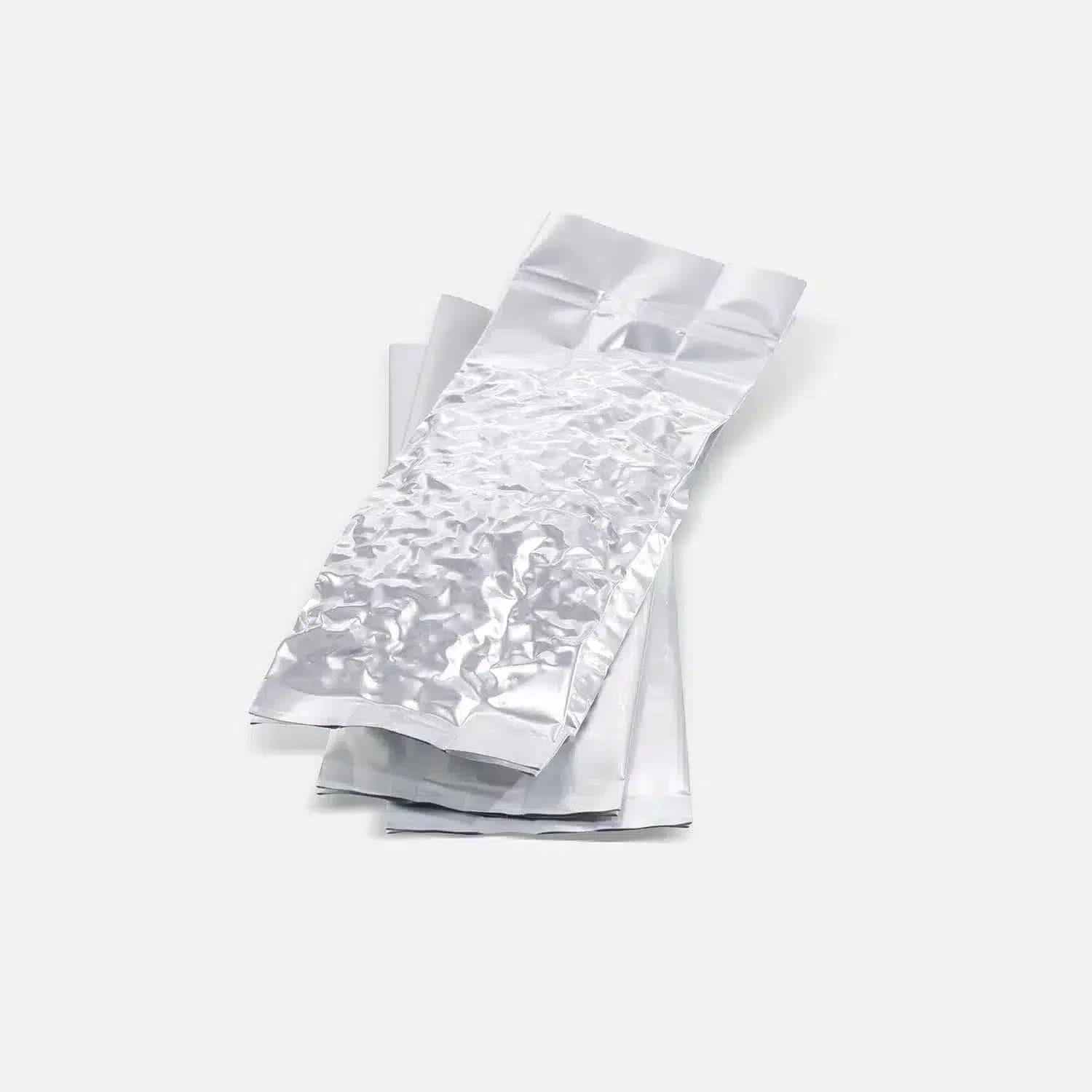
Coffee & teaLight-proof K-Vac bags keep the aroma.

Cooked leftoversOnly once fully cooled.
With a trick

Berries & soft fruitFreeze on a tray first, or seal with L+.

Bread & cakesCool fully; freeze first or seal with L+.

Broccoli, cabbage, asparagusBlanch first: raw, they give off gas.

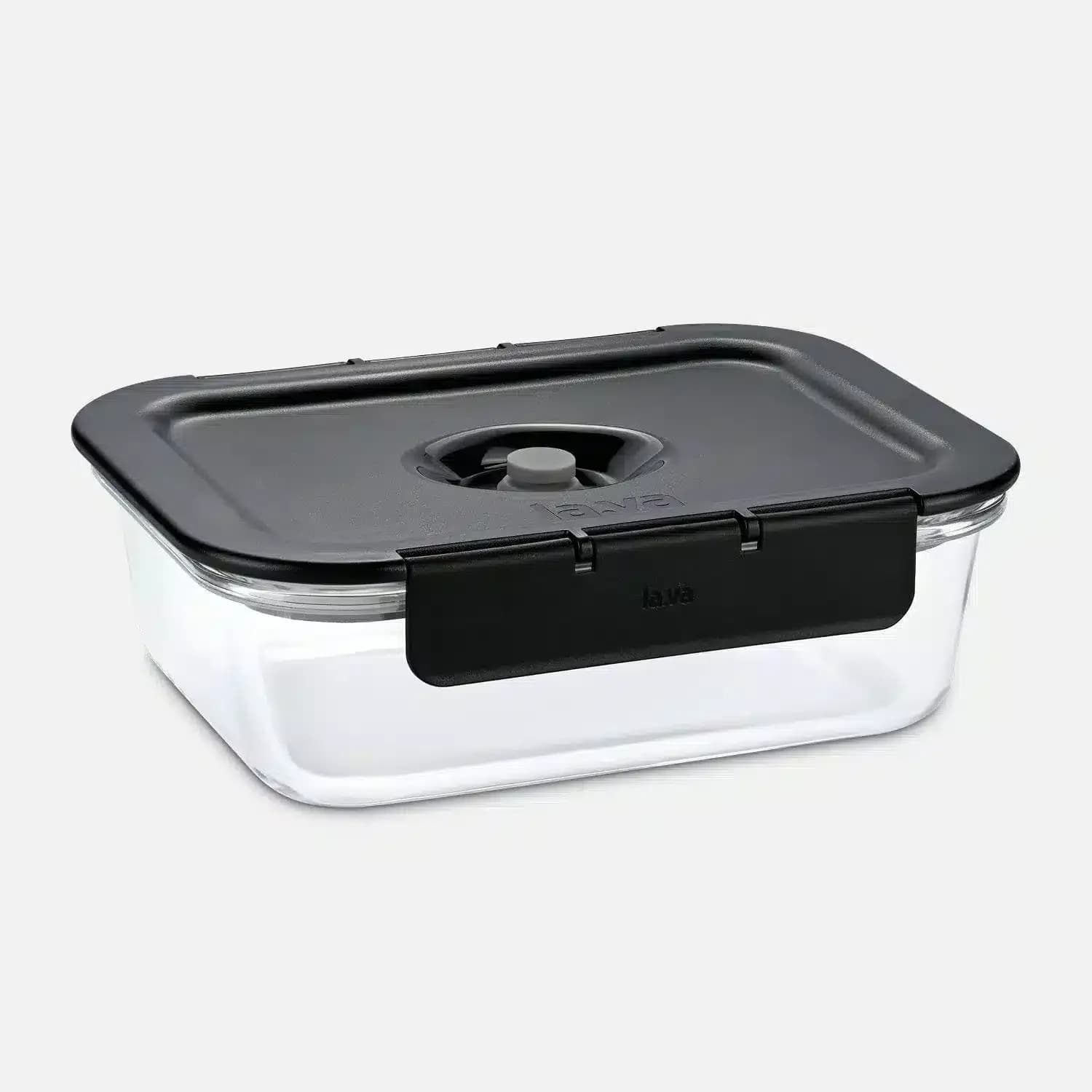
Soups, sauces, stockFreeze flat first, or use a vacuum container.

Flour & powdersPaper towel under the seal, or a container.
Fresh herbsDry well; seal with L+ so leaves aren't crushed.
Better not

Raw mushroomsThey keep breathing and spoil faster sealed.
Raw onions & garlicThey give off gas; never store sealed at room temperature.
Soft cheese (brie, camembert)The rind needs air; texture and taste suffer.

Fizzy drinksThe vacuum pulls the gas out.

Anything still hotSteam ruins the seal; cool it first.
Meat, fish and dairy
Meat and game
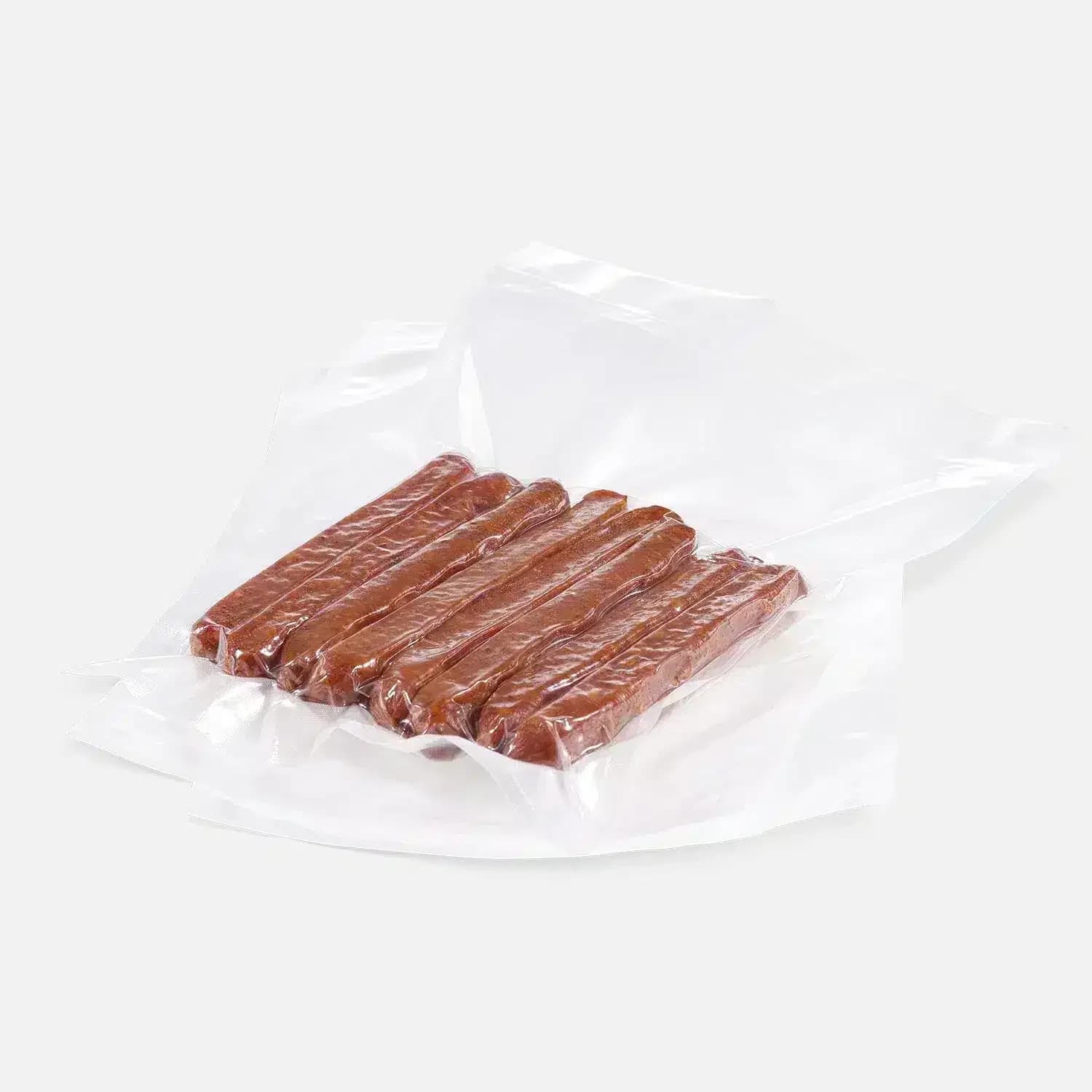
The classic. Pat cuts dry with paper towel (don't rinse raw meat: it spreads bacteria around the sink), portion before sealing, and leave 3–4cm of bag above the meat. Bones and sharp edges get a layer of bone guard so they can't pierce the bag in the freezer.
Fish and seafood
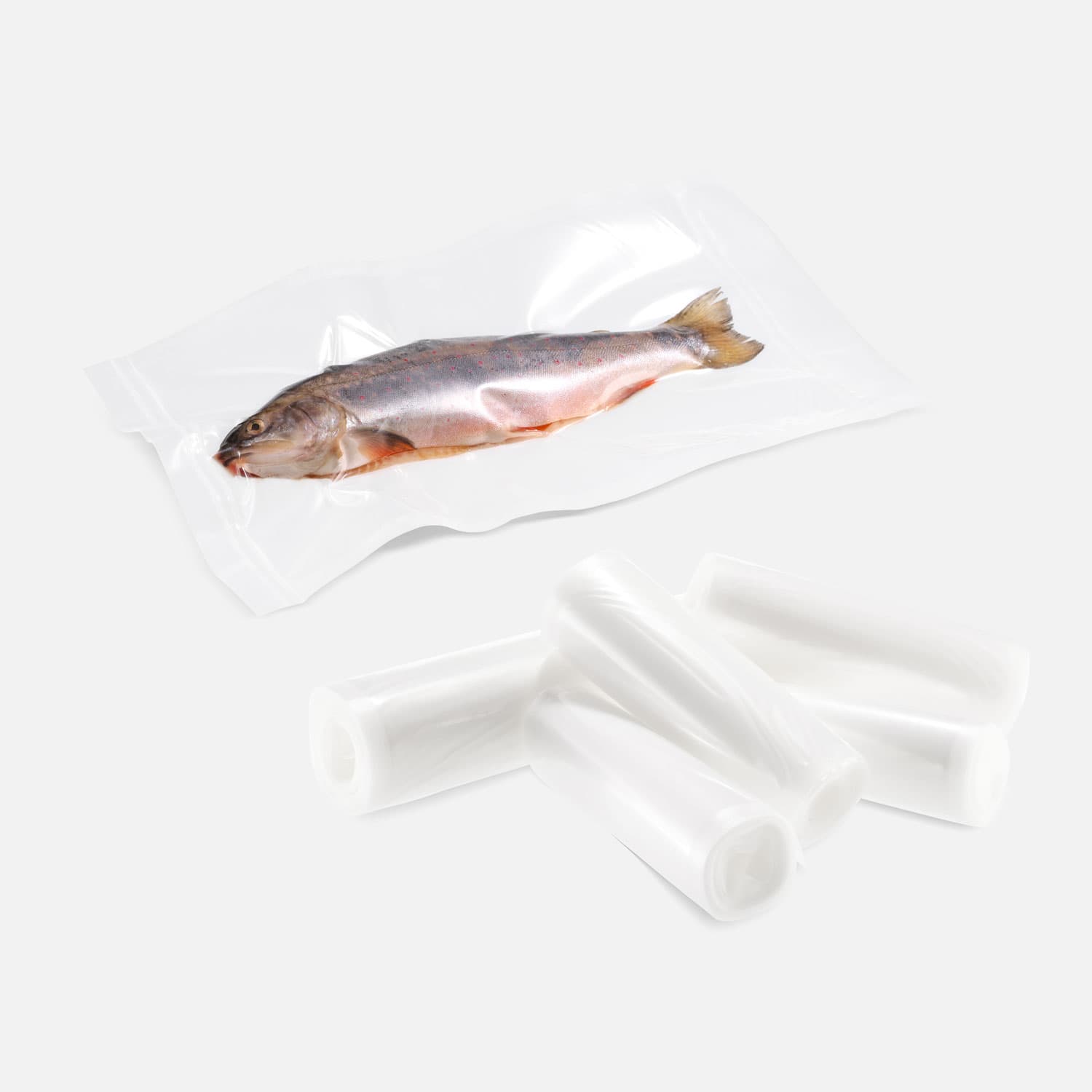
Pat fillets dry. Very wet fish, prawns or mussels go into the freezer for an hour first, so no liquid is drawn towards the seal. Delicate fillets keep their shape with L+ set to a lower vacuum.
Cheese and butter
Hard and semi-hard cheese seal well: cut it into the portions you'll use, so an opened pack doesn't sit for weeks. Butter keeps its taste and doesn't take on fridge smells. Soft cheese with a white rind is the exception, below.
Fruit, vegetables and baking
Berries and soft fruit
A full vacuum turns raspberries into jam. Spread them on a tray, freeze them for a few hours, then seal: frozen berries keep their shape. For fruit you'll eat fresh, seal with L+ at a gentle vacuum, or use a container (sealing soft food without crushing it).
Green vegetables
Broccoli, cauliflower, cabbage, Brussels sprouts and asparagus give off gases when raw, which puffs up the bag. Blanch them for 1–3 minutes, cool them in ice water, dry them, then seal and freeze. Carrots, beans and corn do well blanched too.
Bread and cakes
Let them cool completely, or steam turns into mould. Freeze slices on a tray first and seal them frozen, or seal fresh with L+ so the loaf isn't squashed.
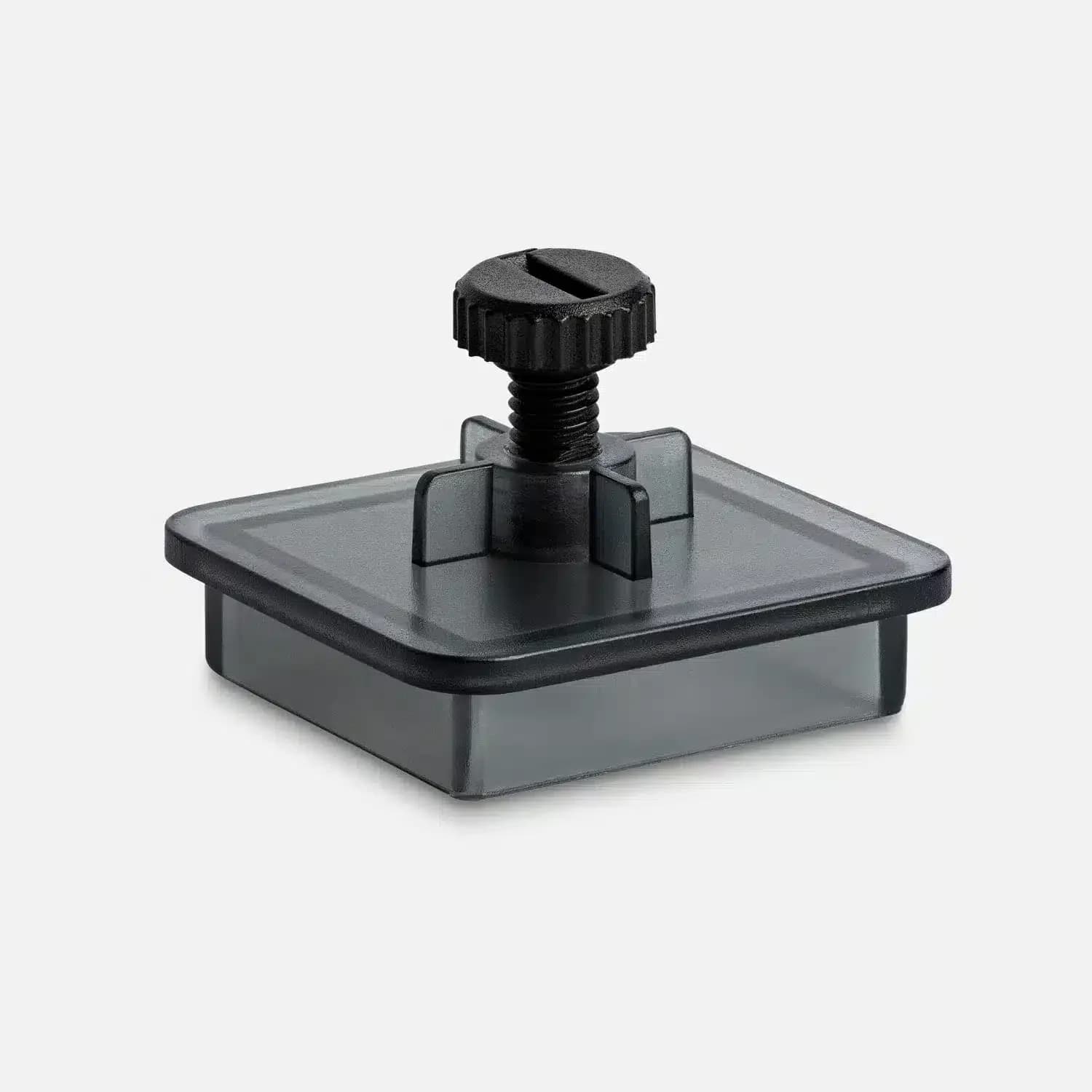
Helps: Vacuum Pressure Control L+ (an extra for the V.100 and V.200; built into the V.300 and up)
Pantry, liquids and leftovers
Coffee, tea, nuts and grains
Dry goods are easy and the gain is big: no moisture, no oxygen, no pantry moths. Coffee and tea lose aroma in light, so use light-proof metallised bags (how to store coffee beans). With flour, cocoa or ground spices, lay a strip of paper towel inside the bag below the seal, so no powder is sucked into the seal.
Helps: Metallised vacuum bags
Soups, sauces and stock
An external sealer can't seal liquid in a bag: it draws the liquid towards the pump. Freeze soup flat in a container or bag first, then seal it frozen. Or fill a vacuum container, which needs no freezing at all.
Helps: G-Line glass containers · Flex Jar-Sealer
Leftovers and meal prep
Cool them fully, portion them, and label each bag with what it is and the date. Sealed portions stack flat in the freezer and reheat in a water bath without opening the bag.
Better left out of the bag
Raw mushrooms keep breathing and go slimy faster in a sealed bag. Raw onions and garlic give off gases, and like any low-acid fresh food they must never be kept sealed at room temperature. White-rind cheeses such as brie and camembert need air for their rind. Fizzy drinks lose their gas, and anything still hot fills the bag with steam that ruins the seal.
How long sealed meat keeps in the fridge and freezer: How long does vacuum-sealed meat keep?
Sealed still means chilled. Vacuum sealing slows spoilage but doesn't make fresh food shelf-stable: meat, fish, dairy, cooked food and fresh vegetables belong in the fridge or freezer, sealed or not.
LAVA AustraliaOfficial LAVA distributor and vacuum-packaging specialists since 2018.